
 M S Nazki
By M S Nazki
I told her (Ameena) that things would change but it will take time……..It did take time but things have changed phenomenally!
-This is all because of the Indian Army!
-Ameena had met me just once when she was in school Baramulla! The place then was underdeveloped but it had the potential of becoming big! In an interaction I met Ameena and her first lines were, ‘Halaat Bahut Kharab Hain Yahan’! My reply was, ‘Sudhar Bhi Jayenge’! She stood silent and asked ‘Kab’? My reply was ‘time lagta hai, is me bhi time lage ga’! Now the wheel has turned full circle! Baramulla is a buzzing place now! I never met Ameena again but somehow she traced me out and the first thing she told me was, ‘Sir, Aap Sayih Thhey’!…………..This incident is about 27 years back……!
-The historical part:
Baramulla, historically known as Varahamula, is an ancient city in Jammu and Kashmir founded around 2306 B.C. by Raja Bhimsina. As a key “Gateway to the Kashmir Valley,” it served as a vital, ancient trade route and a major tourist, spiritual, and cultural hub visited by Mughal emperors and sages.
-Ancient & Religious Roots: Known as Varahamula (meaning the boar’s molar), it was a revered Hindu Teertha and home to Buddhist Vihars and stupas in ancient times.
-Mughal & Islamic Influence: Emperor Akbar visited in 1586, and Jahangir visited in 1620. In 1421, the revered Muslim saint Syed Janbaz Wali made it the center of his mission.
-Sikh History: The sixth Sikh Guru, Guru Hargobind Sahib, visited the city in the 17th century.
-1947 Conflict: Following tribal infiltration from Pakistan, Baramulla was occupied on October 25, 1947, and subsequently liberated by the Indian Army by early November 1947.
-Modern Era: It is now a crucial administrative and educational center, connected by rail to the rest of India.
-Baramulla served as a significant cultural junction, hosting figures like Chinese traveler Xuanzang and hosting multiple religious traditions, including Buddhist stupas from the Kushan period discovered in nearby Ushkara.
-Modern day Baramulla:
-Modern-day Baramulla, known in Kashmiri as Varmul, is a rapidly developing city and the administrative headquarters of the Baramulla district in Jammu and Kashmir, India. Situated on the banks of the Jhelum River in the foothills of the Pir Panjal Range, it acts as a crucial business and education hub in northern Kashmir.
-As of early 2026, it is experiencing a mix of rapid modernization and infrastructural challenges, functioning as a key gateway to the Kashmir Valley.
-Urban Structure: The city is divided into the old town (Shehr-e-Khas) on the north bank and the Greater Baramulla (new town) on the south bank, connected by five main bridges, with more planned.
-Infrastructure & Connectivity: Baramulla is the terminal station on the 119-km Baramulla-Srinagar-Banihal-Sangaldan railway line. The road from Srinagar is a 4-lane highway, often considered the best in the valley.
-Economy: A major centre for trade, particularly in the agricultural and horticulture sectors, with efforts underway to boost tourism.
-Healthcare: While the Government Medical College (GMC) Baramulla has been functional since 2019, recent 2026 reports highlight a need for staffing and equipment upgrades, such as MRI and Cath labs.
-Education: The city hosts the North Campus of the University of Kashmir, several government degree colleges, polytechnic colleges, and established institutions like St. Joseph’s School.
-Tourism: Eco Park (located on a Jhelum island) is a major attraction, with plans for a cable car project to further boost tourism.
-Drug Control: In 2026, the administration prioritized a crackdown on drug trafficking in the region.
-Land Management: Active efforts are being made to curb land fraud and manage town planning.
-Cultural Fabric: Historically, Baramulla has been a site of diverse influences, including Hindu, Buddhist, Muslim, and Sikh, known for a composite culture that persists today.
-Infrastructure vs. Development: While digital connectivity and new buildings are appearing rapidly, some areas still face challenges with basic infrastructure.
-Congestion: The old town is densely populated, requiring ongoing decongestion projects.
-Environmental Concerns: The Jhelum river and its ecological surroundings are being managed through eco-tourism projects, but they require continuous protection.
-Mega job fair held at Chinar center, Baramulla!
- Chinar YUVA Centre, Baramulla hosted Mega Job Fair 2026 on 07 and 08 April 2026. The annual event aimed to connect job seekers with leading employers across sectors such as IT, Hospitality, Automobile, Insurance, Retail and Allied fields.
-This year witnessed an encouraging response, with over 3,000 aspirants registered a 60 percent increase over the previous year. Approximately 1,100 vacancies were on offer, also marking a 60 percent growth year-on-year. The aspirations of candidates have been carefully aligned with employment opportunities, particularly in Hospitality, Retail, Automobiles and Allied sectors.
-Leading employers participating in the event included Flipkart, Swiggy, Blinkit, LG, Ather, Amazon, Raymond, Phone Pe, Hotel Sarovar Portico, Hotel Khyber, Myntra, Honda, Bajaj and SBI Life. The event featured online interviews by ten companies along with physical interviews, followed by short-listing and selection of candidates. In addition, representatives of the District Employment & Counselling Centre provided career counselling on industry trends and skill-building through “Mission YUVA” scheme.
-Chinar YUVA Centre is also commencing new courses on Agro Entrepreneurship, aimed at fostering self-employment and enhancing livelihood opportunities for the youth. The initiative reflects the sustained commitment of Chinar Corps towards youth empowerment, skill development and facilitating meaningful employment opportunities as part of its broader outreach and Nation-Building endeavours in the region.
-The Chinar YUVA Centre in Baramulla is a specialized skill development and vocational training facility established in 2016 to empower youth and women in Kashmir through training, entrepreneurship, and job placements. Supported by the Indian Army and ONGC CSR, it offers NSDC-certified courses in retail, IT, hospitality, and fashion, with a focus on sustainable livelihoods.
-Purpose: To tackle unemployment, promote social/economic development, and provide employment opportunities for local youth, often serving as an alternative to conflict-driven paths.
-Key Courses: The center offers courses in Fashion, Retail & Marketing, Information Technology (IT), Hospitality, Creative Arts, and recently, Agro Entrepreneurship.
-Partnership: The initiative is a collaborative effort involving the Indian Army, ONGC, and is managed/supported by the Aseem Foundation.
-Impact: It has successfully placed local youth in jobs across India and provided, along with skills training, self-defense training to women to enhance confidence and safety.
-Recognition: The centre is the only one of its kind in the valley certified by the National Skill Development Corporation (NSDC).
-Girls and boys from Chinaar Yuva center Baramulla who have done wellChinar Yuva Centre in Baramulla, in collaboration with Aseem Foundation and REACHA, has empowered numerous youths in Kashmir through skill development, leading to notable achievements in sports, entrepreneurship, and employment. Key achievers include medal-winning martial artists, graduates in vocational courses, and individuals hired by national firms, demonstrating significant success in 2025-2026.
-Highlights of Outstanding Achievers:
-Sports & Martial Arts:
-Snober Akhter: Won a silver medal in the All India Pencak Silat Martial Art Championship in Mumbai.
-Kamsina Ahad: Won a bronze medal at the Winter Games 2026 in Gulmarg.
-Karate Premier League Success (2025): 13 students (8 girls, 5 boys) secured 11 medals, including gold winners Mohammad Zaid Lone, Adil Bashir, Sahil Hamid, Roheena Yousuf, Ifrah Parvaiz, and Falak Imtiyaz.
-Sahil Hamid Mir: Completed a 311 km solo marathon from Jammu to Baramulla (“Ek Sapna, Ek Rasta”) to promote a drug-free Kashmir.
-Employment & Entrepreneurship:
-TATA Wistron Placements: Eight girls were placed at TATA Wistron following training.
-Job Fair 2.0: Students successfully participated in local job fairs, with some transitioning from trainees to recruiters, such as a student achieving a role in Recruiter 3.0.
-Skill Development: Graduates from the Beauty & Wellness and Fashion Designing courses have established independent, sustainable livelihoods.
-The centre, established to provide vocational training in fields like IT, hospitality, and fashion designing, has served as a beacon of hope for youth empowerment in the region.
-Aseem Foundation:
Aseem Foundation is a Pune-based NGO founded by Sarang Gosavi dedicated to building sustainable trust and development in India’s border regions, particularly Jammu & Kashmir. It focuses on education, social entrepreneurship, and empowerment, aiming to connect remote border communities with the rest of India.
-Key Focus Areas & Projects:
-Education: Programs like Abhilasha, Yontan-la, and Super 40 provide schooling and support for students.
-Social Entrepreneurship: The foundation creates local employment through initiatives like the all-women Mithas Bakery (Bandipore) and Tamanna Bakery (Uri), producing items branded as Koshur Krunch.
-Skill Training: Partnered with the Indian Army to establish the Chinar Youth Club in Baramulla and other vocational projects for local youth.
-Cultural Exchange: Organizes exposure and study tours for students from Pune to remote border areas to foster understanding.
-Their approach is based on a “triad of communication-trust-development” to improve the quality of life in disturbed border areas.
-REACHA:
REACHA is a registered voluntary, community-based non-profit organization formed in 1992 in India, dedicated to driving high-impact community development. It works closely with underprivileged communities to empower youth and women through education, skill training, health initiatives, and entrepreneurship, often partnering with the government, corporate CSR, and the Indian Army for projects.
-Key Aspects of REACHA:
-Core Focus: Improving livelihoods, digital literacy, and sustainable development, particularly in rural and remote areas.
-Key Projects: Notably involved in projects like Nokia Smartpur (digital centers) and Chinar YUVA (youth training) with the Indian Army in Kashmir to boost local skills and development.
-Approach: Acts as a facilitator bringing together stakeholders to create sustainable local development in harmony with nature.
-Geographical Reach: Operates across India, including Jammu & Kashmir, Uttarakhand, Maharashtra, and Delhi-NCR.
-REACHA aims to bridge the gap between people’s needs and government mandates, promoting self-reliance, particularly among youth.
-Mission Yuva:
-Mission YUVA (Yuva Udyami Vikas Abhiyan) is a Jammu & Kashmir flagship initiative aimed at tackling unemployment by creating 1.37 lakh enterprises and 4.25 lakh jobs over 5 years. It supports youth and women entrepreneurs through financial assistance (loans/grants), capacity building, mentoring, and strengthening market linkages, particularly to turn ideas into small business units.
-Key Aspects of the Scheme:
-Financial Support: Provides capital subsidies up to ₹1 lakh or 25% of the project cost, with specialized interest subvention for women and people with disabilities.
-Target: Focuses on empowering first-generation entrepreneurs, youth, and women.
-Capacity Building: Offers training and mentoring in business management, accounting, and innovation, often facilitated by “Yuva Doots” (volunteers/mentors).
-Implementation: Supported by small business units (SBDUs) and help desks to ease the loan application and approval process.
-Goal: To transform Jammu & Kashmir into a hub of self-employment and sustainable economic development.
-This initiative aligns with the “Atmanirbhar Bharat” (self-reliant India) vision to promote entrepreneurship at the grassroots level.
The final lines…….. It doesn’t matter how strong your opinion are. If you don’t use your power for positive change, you are indeed part of the problem. We must be impatient for change. Let us remember that our voice is a precious gift and we must use it. I have accepted fear as part of life — specifically the fear of change… I have gone ahead despite the pounding in the heart that says: turn back!……………….This is what I had said to Ameena………!
Author


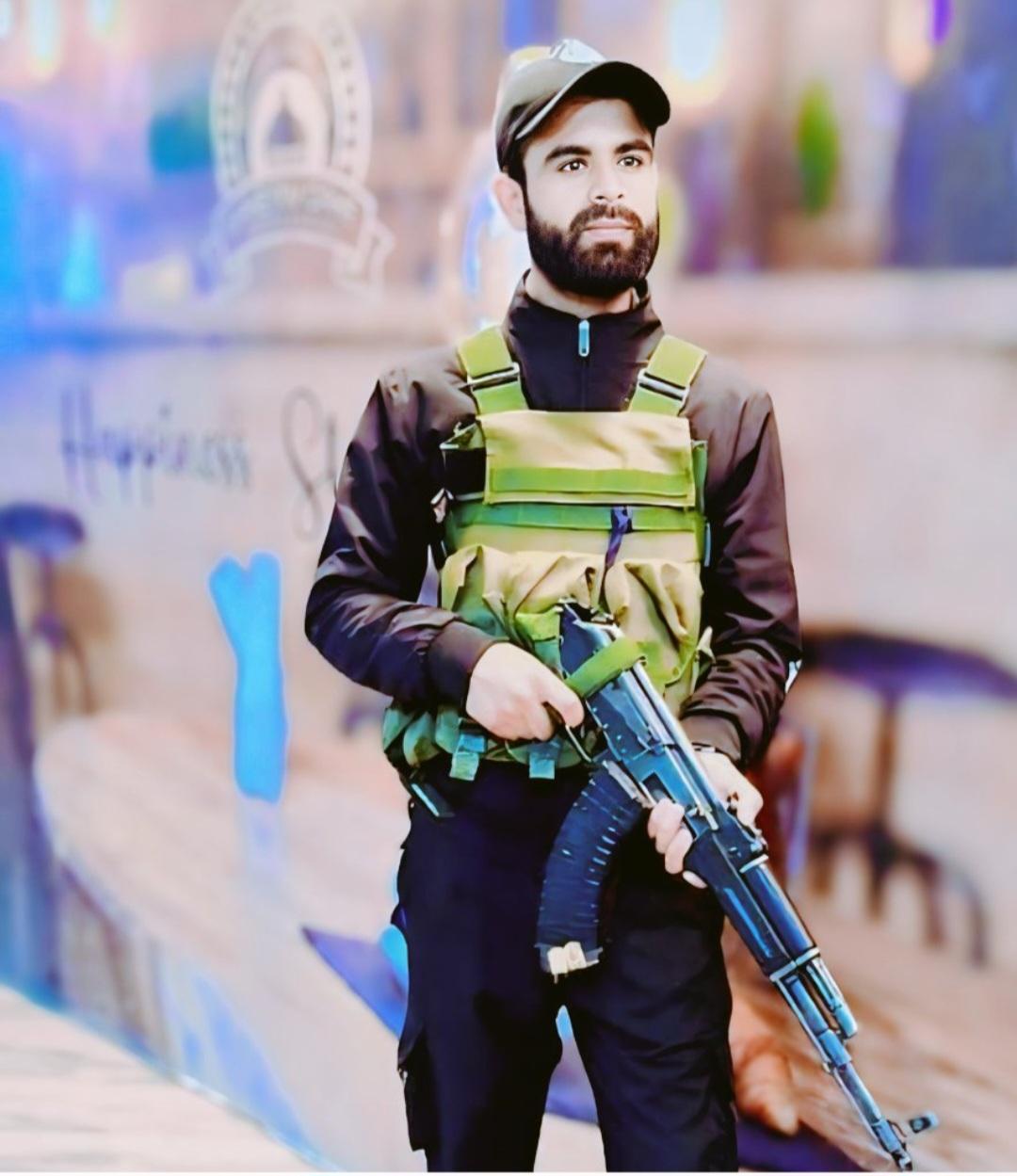
 Sheikh Mudasir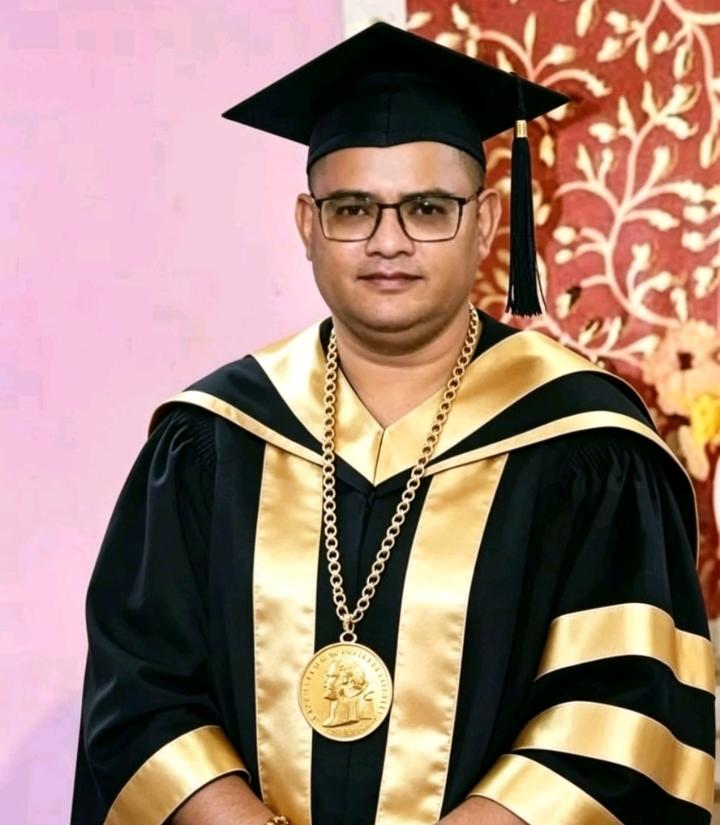
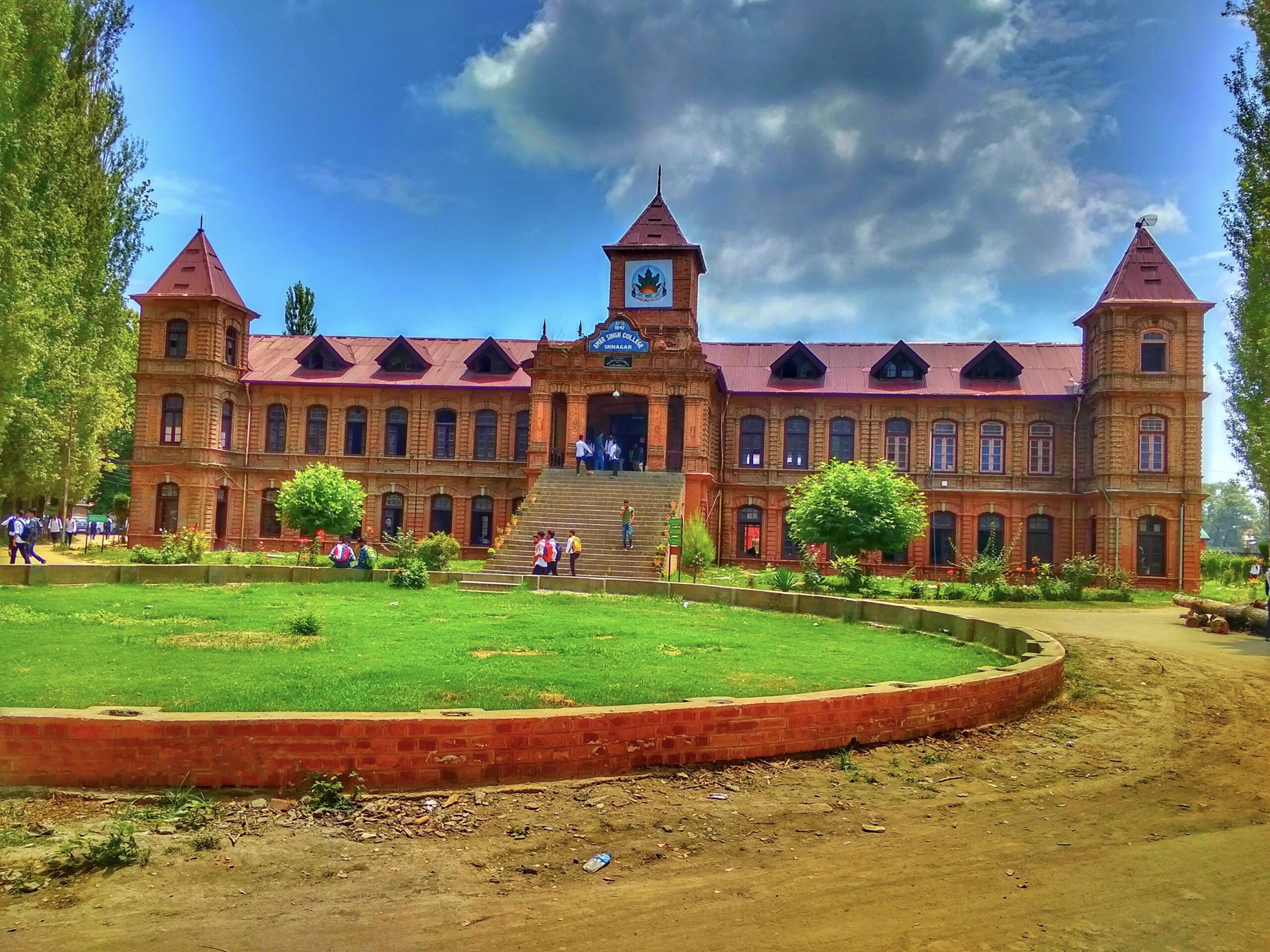
 Sheikh Sameer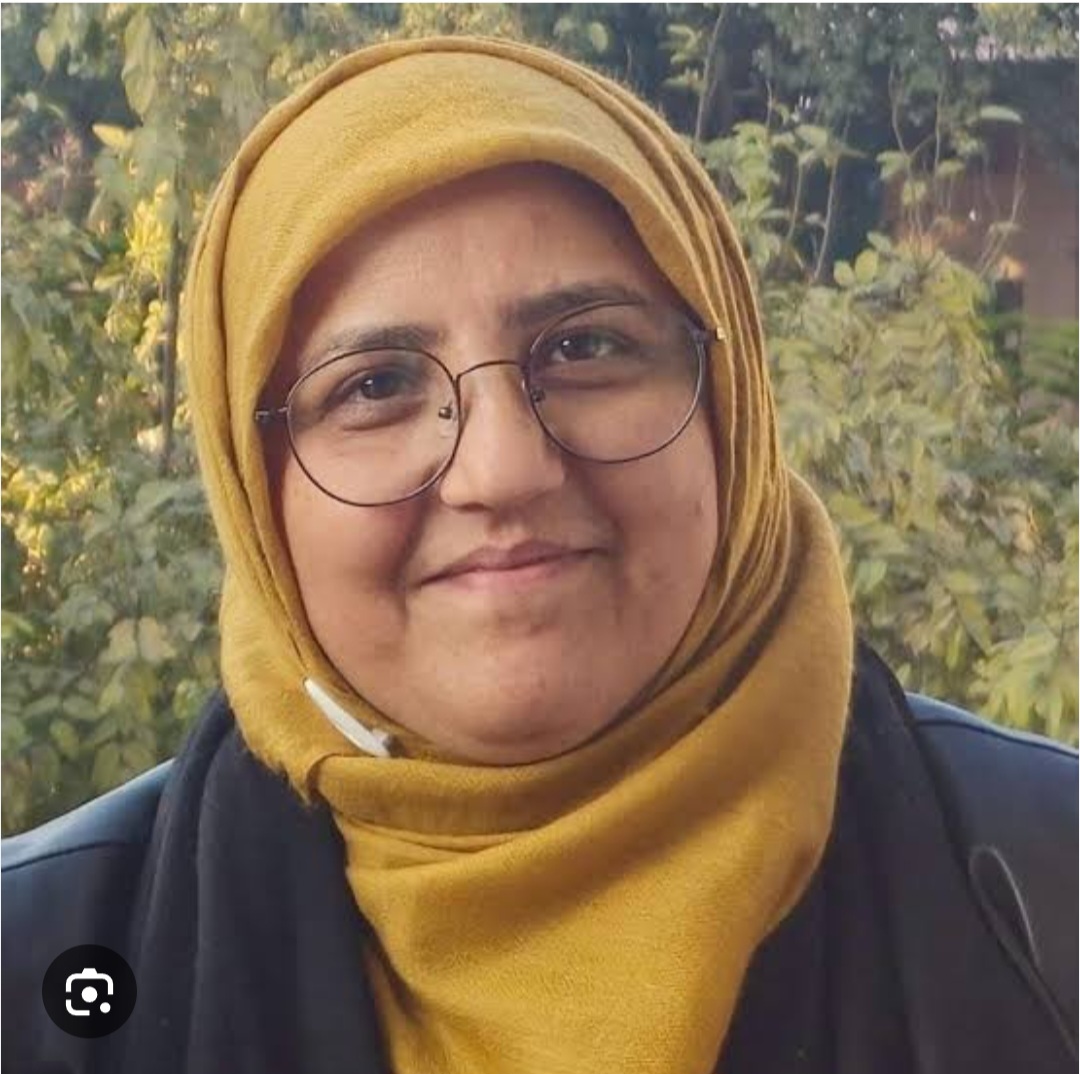
 Nadiya Bashir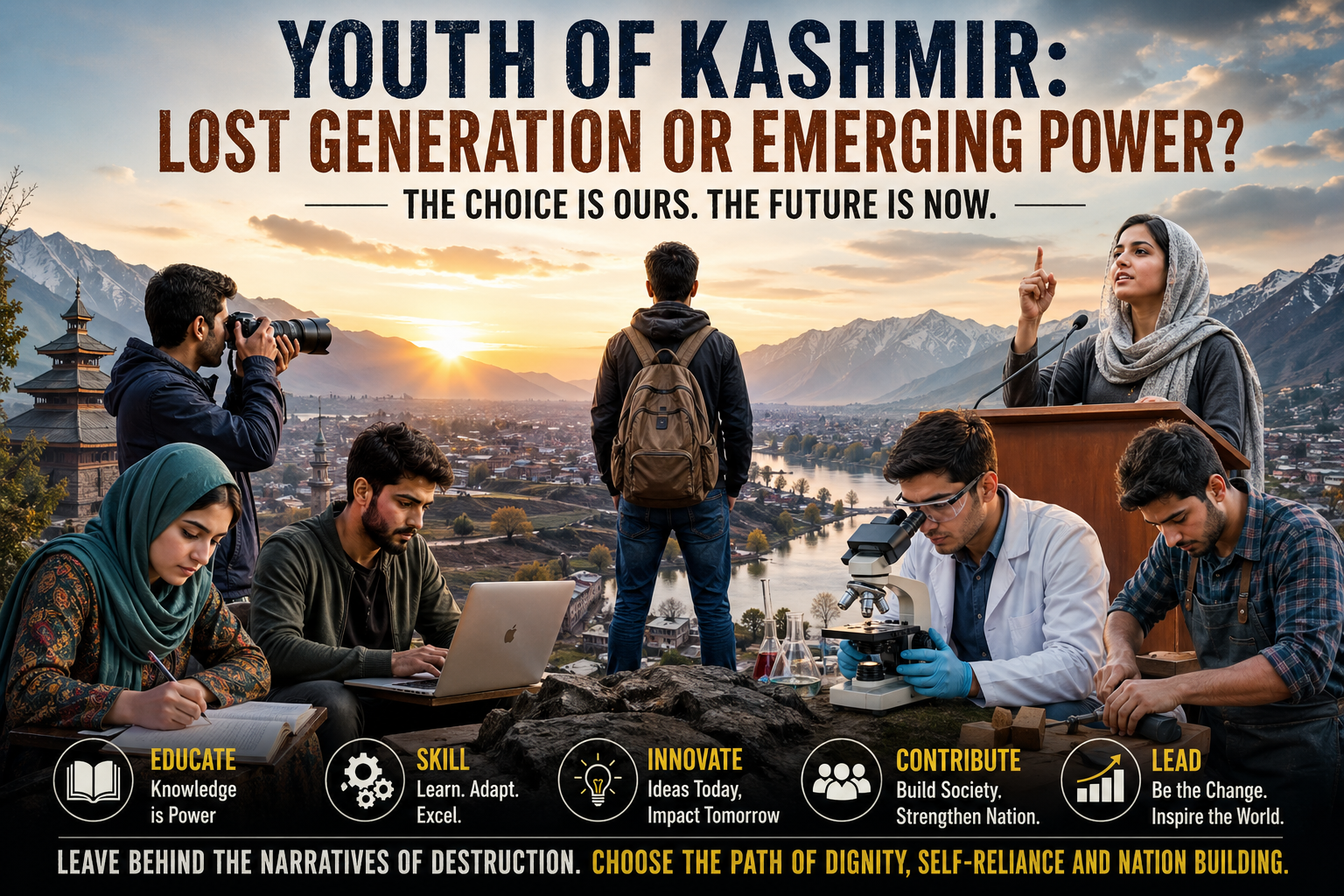
 The Kashmir Dialogues