Nadiya Bashir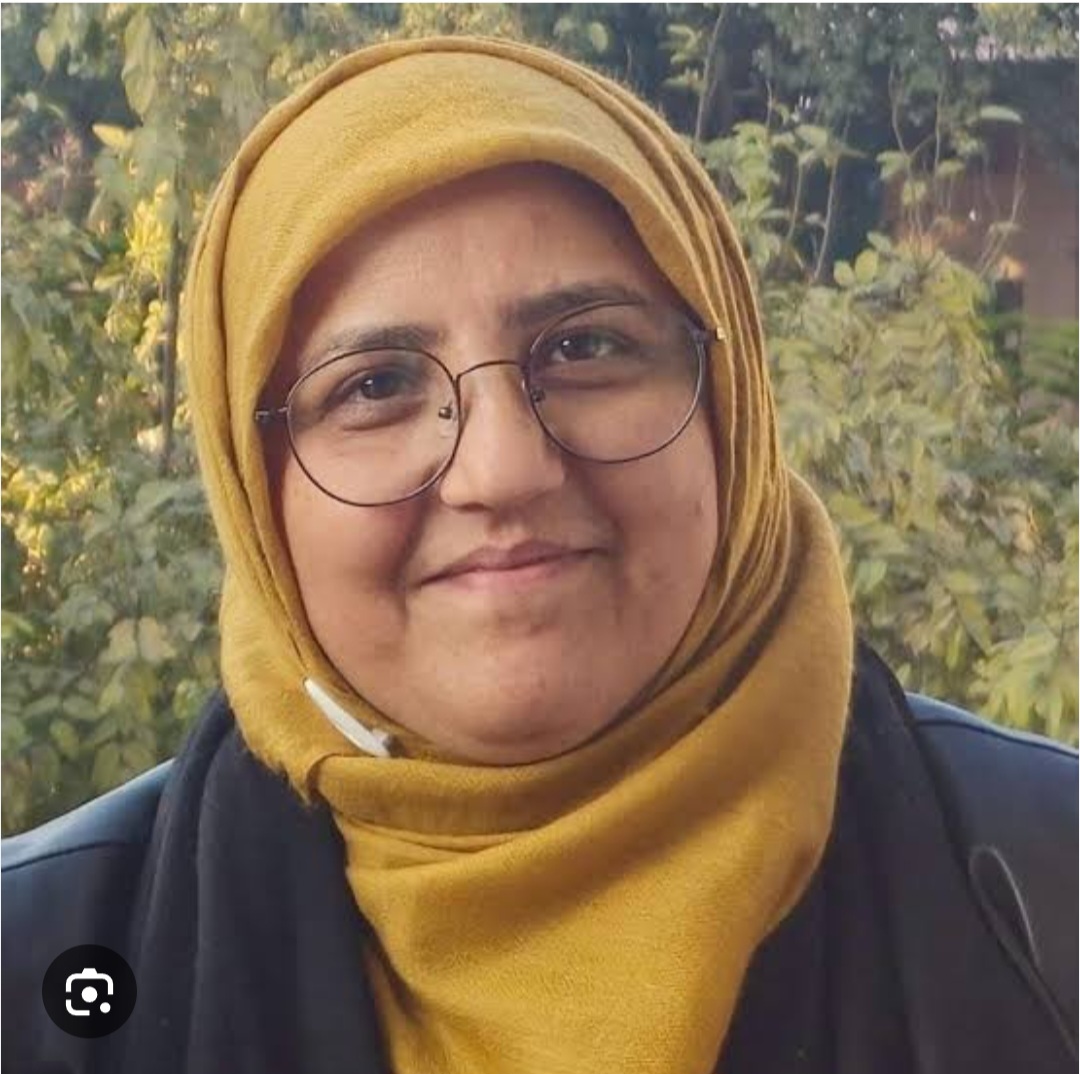
In the remote border landscapes of Kashmir, where mountains stand like silent sentinels and the echoes of uncertainty have shaped generations, stories of courage are often born quietly. They do not emerge from headlines alone, but from the determined footsteps of individuals who choose service over fear, hope over despair, and nation-building over silence. Among such rare personalities stands Dr. Abida War — a woman whose life has evolved into a remarkable testament of resilience, patriotism, social reform, and unwavering dedication to society.
Her story is not merely about personal success; it is about transforming pain into purpose and adversity into a lifelong mission for peace, dignity, and national unity.
A Childhood Tempered by Turmoil
The roots of Dr. War’s determination stretch deep into the historical and political realities of Kashmir. Raised in the frontier village of Bakiaker near the Line of Control, she inherited not comfort, but conviction. Her family’s history was marked by sacrifice and steadfast nationalism at a time when standing firmly with the Union often meant social isolation and immense hardship.
Her grandfather, Gh. Rasool War, belonged to a generation that refused to compromise its beliefs despite political pressures and societal hostility. During the turbulent decades of Kashmir’s political transformation, the War family reportedly endured social boycotts and immense suffering for their unwavering loyalty and ideological clarity. Their industries were damaged, economic stability shattered, and family members subjected to fear, intimidation, and trauma.
For many, such experiences could have fostered bitterness. For Dr. Abida War, however, they became the foundation of resilience.
Growing up amid unrest, she witnessed firsthand how conflict destroys not only infrastructure and livelihoods but also the emotional and psychological fabric of society. Yet instead of allowing the darkness around her to define her identity, she chose a different path — one rooted in healing, education, and constructive engagement.
Her journey reflects a powerful truth: those who survive the harshest storms often emerge with the clearest understanding of peace.
Education as an Instrument of Empowerment
Dr. War understood early that meaningful change cannot be sustained by emotion alone. In regions vulnerable to manipulation, misinformation, and ideological exploitation, education becomes both a shield and a weapon against despair.
Her academic journey — from Government Degree College Baramulla to earning an MSc in Chemistry from Kashmir University — symbolized far more than professional achievement. It represented intellectual resistance against forces that sought to keep communities trapped in fear and stagnation.
Armed with education and clarity of vision, she transitioned into social activism with remarkable effectiveness. As Chairperson of the J&K State Employees Welfare Working Women Association (JKSEWWA), she emerged as a strong advocate for women’s empowerment, dignity, and welfare. She consistently amplified the concerns of women navigating the dual burdens of social conservatism and prolonged political instability.
But her work extended beyond advocacy.
She became deeply involved in mentoring youth vulnerable to radical influences and social alienation. Through dialogue, counseling, and grassroots outreach, she sought to reconnect young minds with constructive aspirations and democratic participation. Her approach has always emphasized inclusion, identity, and belonging — reminding the younger generation that patriotism is not blind conformity, but a conscious commitment to coexistence, dignity, and progress.
In many ways, her activism evolved into an intellectual movement aimed at restoring confidence and purpose within society.
Planting the Seeds of National Belonging
Perhaps the most defining aspect of Dr. Abida War’s contribution lies in her ability to humanize the idea of nationhood within border communities often caught in the crosswinds of uncertainty.
Her “Ek Gaon Ek Tiranga” initiative was not merely a symbolic campaign. It represented an emotional and psychological assertion of belonging. By encouraging the hoisting of the Indian Tricolour in private homes across border villages, she transformed the flag from a distant national emblem into a deeply personal symbol of identity, safety, and hope.
In villages where generations have lived under the shadow of conflict, the sight of the Tricolour fluttering atop homes carried profound emotional significance. It strengthened the emotional connection between ordinary citizens and the broader national consciousness.
For Dr. War, nation-building was never confined to speeches or ceremonies. It had to enter homes, shape conversations, influence children, and become part of everyday life.
Her association with the Gandhi Global Family further expanded this mission. Through peace seminars, youth workshops, and cultural initiatives in districts like Kupwara, she introduced narratives centered around non-violence, dialogue, and social harmony.
Programs such as the Gandhi Mandela Peace Trophy created platforms where youth could engage not with anger and division, but with ideas of coexistence, leadership, and civic responsibility.
Through her initiative “Panin Wath” (“Our Path”), she also focused extensively on empowering young girls, encouraging them to become active participants in shaping Kashmir’s future rather than passive observers of history.
Her work reflects an understanding that sustainable peace is not enforced through fear; it is cultivated through participation, education, and trust.
Standing Firm Amid Modern Challenges
In today’s hyper-polarized digital age, voices advocating moderation and unity often face criticism, hostility, and online abuse. Yet Dr. Abida War continues to remain steadfast in her convictions.
Whether interacting with dignitaries at Raj Bhawan or walking through remote border villages, her focus remains rooted in grassroots engagement. She has consistently chosen dialogue over division and action over rhetoric.
Recognition such as the Gandhian Rashtriya Seva Puraskar awarded by the Lieutenant Governor stands as acknowledgment of years of tireless public service. But beyond formal honors lies a deeper measure of her impact — the trust she has earned among ordinary people.
For countless women, youth, and families across Kashmir’s frontier regions, she represents hope anchored in courage.
She symbolizes the possibility that even in landscapes scarred by conflict, one determined individual can nurture healing and inspire transformation.
A Life Devoted to Society and Nation
The life of Dr. Abida War ultimately transcends politics or ideology. At its heart, it is a story about commitment — commitment to community, to peace, to women’s empowerment, to youth guidance, and to the enduring idea of national unity.
Her journey demonstrates that the strongest defense of a nation is not built solely through borders or institutions, but through citizens who dedicate themselves selflessly to the welfare of society.
In the valleys and borderlands of Kashmir, where uncertainty has often overshadowed aspiration, Dr. War continues to stand as a beacon of resolve — proving that courage is not always loud, but it is always transformative.
Her story is a reminder that the future of any society depends upon those rare individuals who refuse to surrender hope, who continue to build bridges where others build walls, and who keep the flame of unity alive even in the harshest winds.
And in that unwavering dedication lies the true melody of her life — a symphony of service, sacrifice, and an unbreakable bond with the people and the nation she has chosen to serve.


 M S Nazki
 Sheikh Sameer