M S Nazki
By M S Nazki
-We will start this one again with a love story and we are sure that the readers will come to know about the close bond between the people and the Indian Army!
-The winter of 2026 arrived early in Tangdhar, covering the Karnah valley in a thick, silent blanket of white. For Zoya, who lived in the remote village of Hajinar, this season usually meant holding her breath, waiting for the snow to melt and the road over Sadhna Pass to reopen.
-But this year was different. Zoya was expecting her first child, and the bitter cold brought with it a sudden, terrifying complication. As the snow fell heavily, shutting down the village, the pain became unbearable.
-Her husband, Bashir, looked at the phone, which had no signal, and then at the mountains that surrounded them—beautiful, but isolating. He knew that reaching the Sub-District Hospital in Tangdhar, miles away, was impossible on their own.
-Remembering stories of the soldiers stationed nearby, Bashir made a desperate decision. He walked through knee-deep snow, fighting against the fierce wind, to the nearest Indian Army outpost. He told them of Zoya, his voice trembling.
-The soldiers did not hesitate. Despite the risk of avalanches on the steep paths, a rescue team—led by officers who treated the villagers as their own—set out with a specialized stretcher. They battled the freezing terrain for hours, walking through the deep, desolate white landscape.
-When they reached the house, they carefully lifted Zoya, a young woman caught in the harsh realities of life on the Line of Control. The journey back was slow and arduous, with soldiers taking turns, ensuring she was warm and secure.
-When they finally arrived at SDH Tangdhar, the dedicated medical staff, who had been informed via radio, were ready. Several hours later, in the warm, safe interior of the hospital, Zoya gave birth to a healthy baby girl.
-Bashir looked from his wife to the army doctor, tears freezing on his cheeks. They didn’t have much, but they had life. In the heart of a war-torn region, amidst the harsh, snowy landscapes of Tangdhar, it was a love story not just of a husband for his wife, but of humanity, kindness, and unwavering commitment to one another…………………!
-About Tangdhar:
-Tangdhar is a scenic border town in the Kupwara district of Jammu and Kashmir, located within the Karnah Valley at the Line of Control (LoC). Situated roughly 67 km from Kupwara, this mountainous region is known for its green fields and harsh winters!
-Location & Geography: Situated across the Shamshabari Mountains in the Karnah valley.
-Access: Requires permission to travel to this border region, typically accessed via the Sadhna Pass (or Sadna Top).
-Significance: It is a forward area often in the news regarding border security and developmental activities by the Indian Army, such as community sports initiatives.
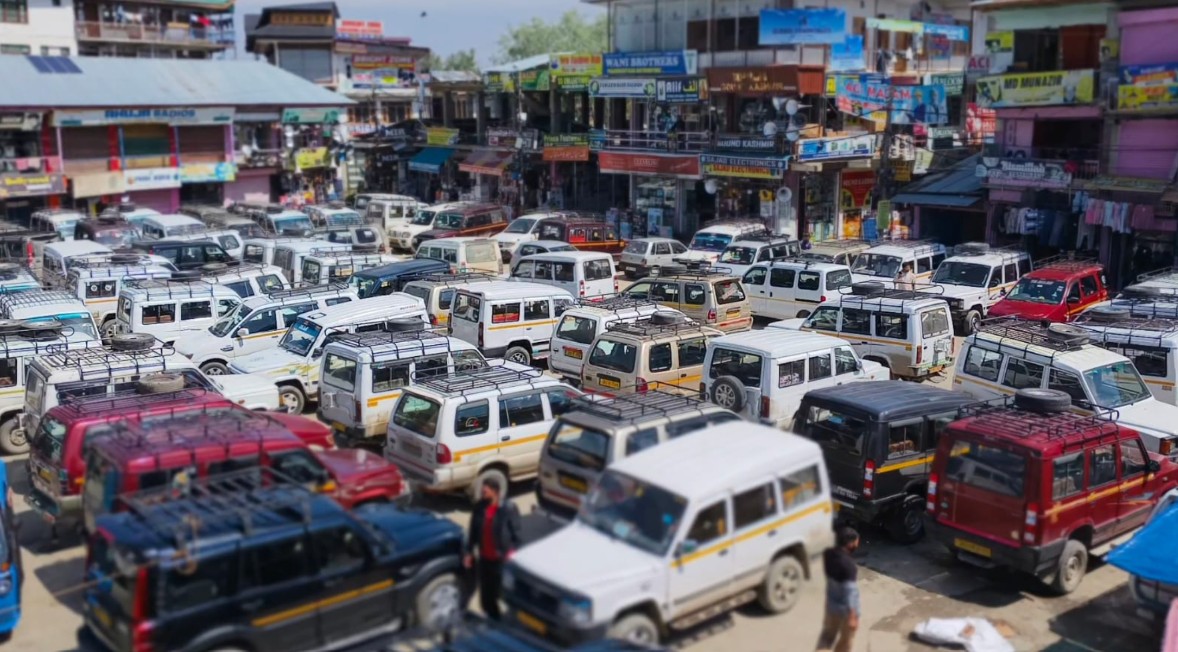
-Economy & Lifestyle: The area features a local market, particularly busy during festive seasons, serving local Pahadi residents.
-Weather: Prone to heavy snowfall in winter, which can disrupt travel, while summer is ideal for viewing its natural beauty.
-Nearby Points of Interest:
-Tithwal: A nearby peaceful village located along the river at the Line of Control (LoC).
-Sadhna Pass: The main mountain pass connecting Tangdhar to the rest of Kashmir.
-Strategic Importance:
-Tangdhar, located in the Kupwara district of Jammu & Kashmir, holds immense strategic importance due to its geographical position directly on the Line of Control (LoC), making it a critical forward area for border management, counter-infiltration, and territorial surveillance.
-Vulnerable Infiltration Route: Tangdhar is considered a primary infiltration axis north of the Pir Panjal range. Because it offers the shortest route from Pakistan-administered Kashmir to the Kupwara district in the Kashmir Valley, it is constantly targeted by militants seeking to enter Indian territory.
-Geographical “Bottleneck”: The sector is surrounded by Pakistan-administered Kashmir on three sides—Neelum Valley to the north and Leepa Valley to the south. This makes it a challenging, high-stakes area where Indian forces maintain high vigilance to prevent incursions.
-Military Surveillance and Operational Readiness: The region houses the Headquarters of the Shakti Vijay Brigade, which focuses on reviewing security preparedness and neutralizing potential threats. It is frequently the site of intense military drills and advanced combat readiness exercises to ensure a rapid response to provocations.
-Sadhna Top Connectivity: Tangdhar connects to the rest of Kashmir via the treacherous Sadhna Top (3,000+ meters), a crucial mountain pass in the Shamsabari range. Securing this route is crucial for local movement and military logistics.
-Targeted Border Infrastructure Development: To strengthen operational efficiency, the government is focusing on building infrastructure, including the proposed Sadhna Tunnel and roads like the Ragini-Ustad-Pharkian Gali road. These projects aim to provide all-weather connectivity, allowing the army to maintain a strong presence even during winter when the pass is closed by snow.
-High-Intensity Ceasefire Monitoring: Due to its proximity to the LoC, the sector experiences frequent cross-border shelling and violations, making it a pivotal area for testing diplomatic and military deterrence.
-In summary, Tangdhar is vital as a frontline defense sector aimed at stopping infiltration at the earliest point before militants can reach the hinterland of Kashmir.
-The relationship between the people of Tangdhar (Karnah tehsil in Kupwara district) and the Indian Army!
-The relationship between the people of Tangdhar (Karnah tehsil in Kupwara district) and the Indian Army is characterized as a close partnership focused on security, community development, and emergency assistance. Given its location directly on the Line of Control (LoC), the army acts as both a protective force and a primary provider of essential services to the local population.
-Key aspects of this relationship include:
-Humanitarian Assistance and Emergency Response: The Army is a critical first responder in the region, conducting rescue operations during heavy snowfall, such as rescuing pregnant women and transporting patients when roads are blocked. They also provide disaster relief during natural calamities, including earthquakes.
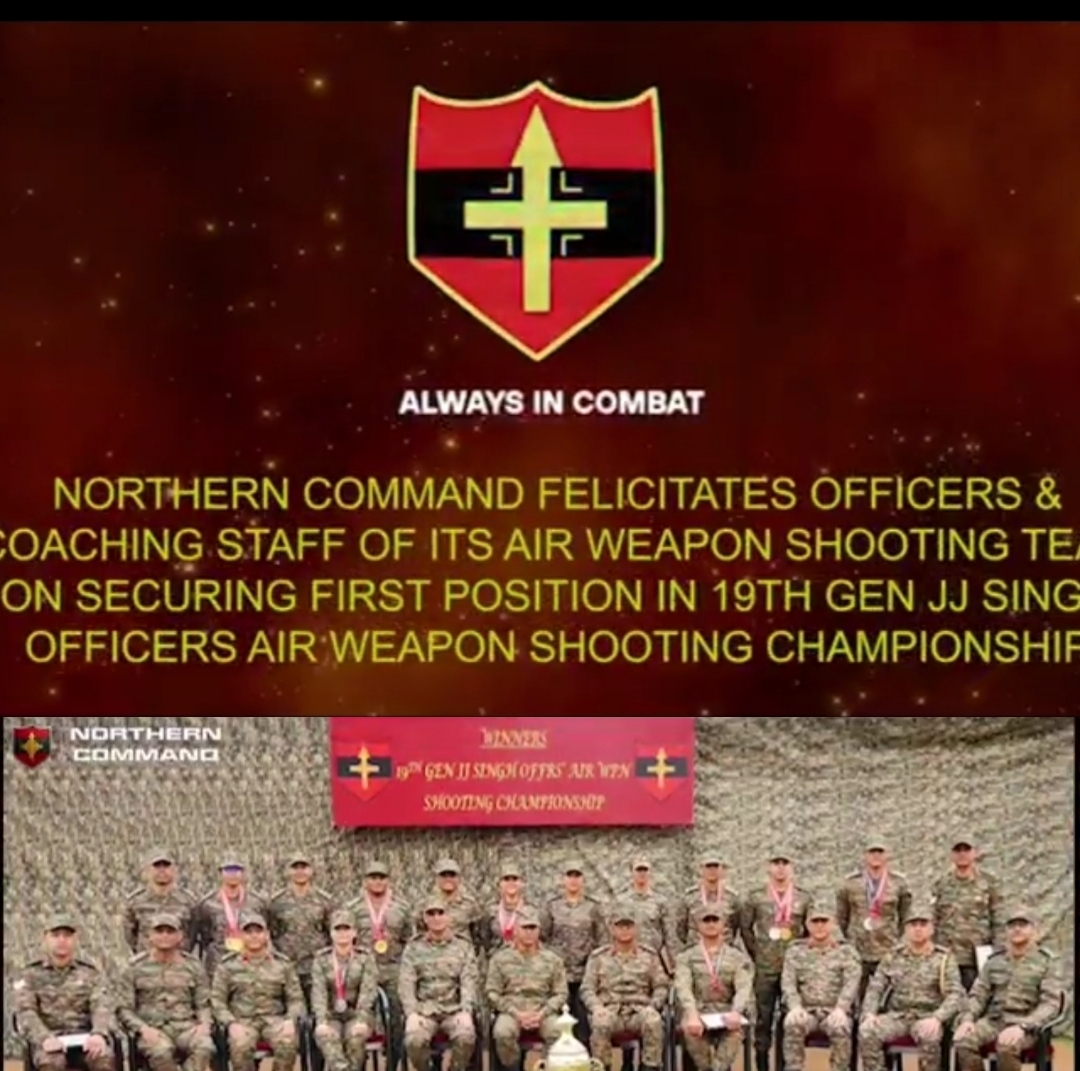
-Medical and Social Support (Op Sadbhavana): The Indian Army frequently organizes medical, dental, and eye camps in remote Tangdhar villages to provide free healthcare, check-ups, and medicines to residents.
-Infrastructure and Youth Development: The Army focuses on developing border villages, engaging with local youth by providing sports kits (e.g., cricket gear), and fostering development activities.
-Community Integration and Cultural Bonding: Troops actively celebrate local festivals like Eid with villagers and participate in Diwali with locals, strengthening bonds between the “Awaam” (people) and the “Jawan” (soldier).
-Local Cooperation in Security: The relationship is built on mutual trust, with locals cooperating with security forces, such as in the aftermath of fire incidents or recognizing the need for security in the border area.
-The Army considers this bond, often described under the slogan “Seva Parmo Dharma” (Service Before Self), as a means to foster peace and stability in the border region.
In the frozen, isolated valley of Tangdhar, Indian Army officers and soldiers embody “service before self,” forging a bond with locals through profound love and sacrifice. Beyond guarding the border, they routinely risk their lives to rescue villagers, brave avalanches, and provide critical medical care, treating civilians as their own family.
In February 2026, when a 26-year-old pregnant woman in the snowbound Tangdhar sector needed immediate medical attention, the road was completely blocked by heavy, treacherous snow. While most would take shelter, a platoon of Army soldiers launched a daring rescue mission.
Braving intense, sub-zero temperatures, they strapped the woman to a makeshift stretcher and trekked over 4 kilometers through deep, waist-high snow. The officers walked beside her, braving the biting cold alongside their men to ensure her safety, showcasing unwavering dedication.
This act is not a one-time gesture; it is their routine. The Indian Army in Tangdhar has transformed from soldiers into guardians of the community, often sharing their own food, shelter, and medical kits with villagers during crises.
Saving the Newborn: The rescued mother was transported to a local hospital where the army’s quick action helped save both her and her baby’s life.
A “Thank You” from the Heart: Local villagers, often trapped in severe weather, have often expressed that the soldiers are their only hope, often risking their own safety in temperatures to ensure the people feel warm and secure.
The bond in Tangdhar between the olive green and the locals is not just professional; it is a profound bond of love, where the officer acts as a brother, a doctor, and a protector, embodying the true spirit of the Indian Army………….!
-The Chinar Corps of the Indian Army organised a multi-faceted humanitarian outreach programme at the Forward Surgical Centre, 328 Field Hospital, Tangdhar, , under the aegis of “Operation Sadbhavna”. The initiative featured a dedicated Eye Camp for cataract surgeries, during which 22 patients from the local populace successfully underwent vision-restoring procedures.
-Simultaneously, a Medical and Dental Camp was conducted to address the broader healthcare needs of the local community. Professional consultations, diagnostic evaluations and medical advice was provided to the local populace for a spectrum of ailments, thereby reinforcing preventive healthcare awareness.
-The 328 Field Hospital (Forward Surgical Centre) in Tangdhar, located in the remote Karnah Valley of Jammu and Kashmir, serves local civilians by providing essential healthcare services in an area with limited access to specialized care. Operated by the Indian Army’s Chinar Corps under “Operation Sadbhavana,” it helps civilians through various initiatives, including:
-Specialized Medical Camps: The hospital hosts mega medical camps (e.g., March 2026) in collaboration with specialized teams from 92 Base Hospital, Srinagar.
-Eye and Dental Care: Services include free eye check-ups, specialist consultations, and cataract surgeries. In March 2026, 22 vision-restoring cataract surgeries were performed on local residents.
-General Health OPDs: The facility provides free consultations for general ailments, hypertension, diabetes, and dental issues.
-Emergency and Acute Care: The field hospital provides immediate medical assistance for emergencies in the remote border region.
-Diagnostic Services & Medicines: The hospital provides diagnostic tests and distributes essential medicines at no cost to the residents.
-Blood Donation: A voluntary blood donation drive involving both army personnel and civilians was conducted in March 2026 to support the region’s medical preparedness, with collected units handed over to the Sub District Hospital, Kupwara.
-Civil-Military Cooperation: These efforts strengthen ties between the Army and the local population (“Awam aur Jawan”) and promote awareness regarding preventive healthcare and hygiene.
-The hospital operates in a challenging, high-altitude operational area, making its medical support crucial for the well-being of the surrounding communities.
-Cataract surgery is a safe, common, and usually painless outpatient procedure that removes a cloudy natural lens and replaces it with a clear artificial intraocular lens (IOL). It is performed by an ophthalmologist, typically taking 15-30 minutes, to restore clear vision and reduce dependency on glasses.
-Dental diseases range from common tooth decay and gum disease to infections and structural issues. Major types include dental caries (cavities), periodontal diseases (gingivitis/periodontitis), tooth erosion, sensitivity, abscesses, impacted teeth, and oral cancers. Poor hygiene, diet, and genetics are primary causes, often leading to pain and tooth loss.
A Blood Donation Camp augmented the outreach effect with voluntary participation by Chinar Warriors. Donated blood units were collected by the Sub District Hospital, Kupwara, significantly contributing to the region’s medical preparedness. This integrated initiative stands as a testament to the Chinar Corps unwavering commitment to humanitarian service and its enduring endeavour to foster goodwill and resilience among the populace of Kashmir.
And thus we come to the final lines: The Indian Army frequently reaches out to the community in Tangdhar, Jammu and Kashmir, by providing critical assistance in remote, high-altitude border areas. Recent efforts include rescuing a 26-year-old pregnant woman during heavy snow, hosting medical/eye camps, and distributing cricket kits to local children.
Emergency Medical Rescue: In February 2026, soldiers navigated deep snow to rescue a pregnant woman from a remote residence, ensuring she received timely care. Medical Assistance: The Army organized comprehensive medical camps providing free eye check-ups and surgeries to border residents.
Youth & Education Support: The Indian Army distributed cricket kits to children in Murchana Village, enhancing local sports opportunities. Cultural Connection: Troops often engage with the community during festivities, such as celebrating Eid with villagers.
Essential Services: These actions, often part of Operation Sadbhavana, reinforce bonds, promote security, and ensure essential support for residents near the Line of Control (LoC). These actions emphasize the Army’s role in not just security, but also humanitarian support in difficult terrains….!
Author


 Sheikh Sameer
 The Kashmir Dialogues