Sheikh Sameer
Pakitan’s Double Edged Sword
In recent years, Kashmir has seen an economic revival, with infrastructure development, flourishing tourism, and new employment opportunities enhancing the lives of local people. However, this prosperity appears to be under threat as Pakistan-sponsored attacks attempt to disrupt the region’s economic progress. These fresh waves of violence, targeting both locals and non-locals alike, are calculated efforts to instill fear, destabilize livelihoods, and curb the economic gains achieved in Jammu and Kashmir. My Insights explores the broader implications of these attacks, viewing them as strategic assaults on the region’s economy and the lives of those who have embraced peace and prosperity under Indian governance.
Pakistan is currently grappling with an economic crisis, marked by skyrocketing inflation, devalued currency, and widespread discontent among its citizens. Essential commodities in Pakistan have become unaffordable, and the discontent has spilled over into protests and calls for change, especially in regions like Pakistan-occupied Kashmir (PoK) and Balochistan. The people of PoK and Balochistan have suffered immensely under the burden of rising prices and have even expressed a yearning to merge with India, where they see potential for economic stability and opportunities they lack under Pakistan’s governance.
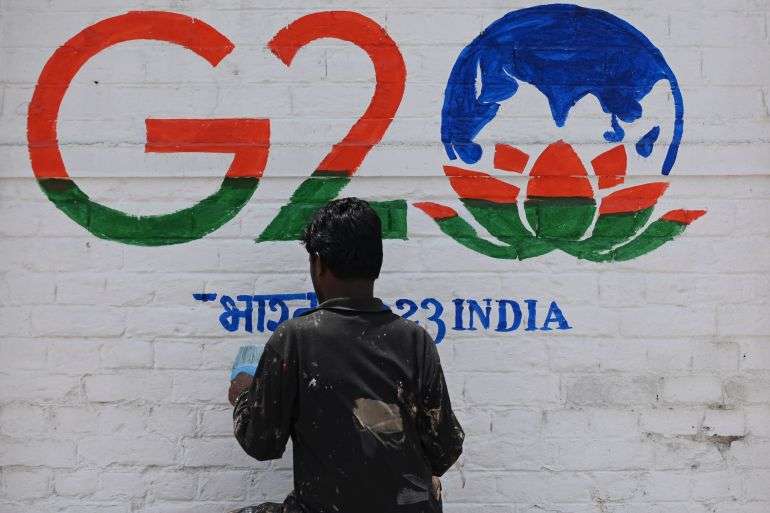
While Pakistan sinks into economic despair, Jammu and Kashmir has been transforming into a region of hope and opportunity. With sustained investment in infrastructure, tourism, and local enterprises, Kashmir has emerged as a model of economic renewal. The success of the recent G20 summit held in Kashmir showcased the valley as a viable tourist destination, drawing international attention and signaling the potential for further growth.
Kashmir’s youth have increasingly found employment and stability within the region, be it in infrastructure projects, the hospitality industry, or security forces. This revival has led to a flourishing tourism sector, which, in turn, has supported small businesses and local artisans. Kashmiri people, who once faced years of conflict and limited opportunities, now have a renewed sense of purpose and belonging under Indian administration. Within India the Kashmiri youth found new opportunities of employment and central government has been providing jobs to them. From last two decades the youth of Kashmir are desperate to join Indian Army and serve the country.
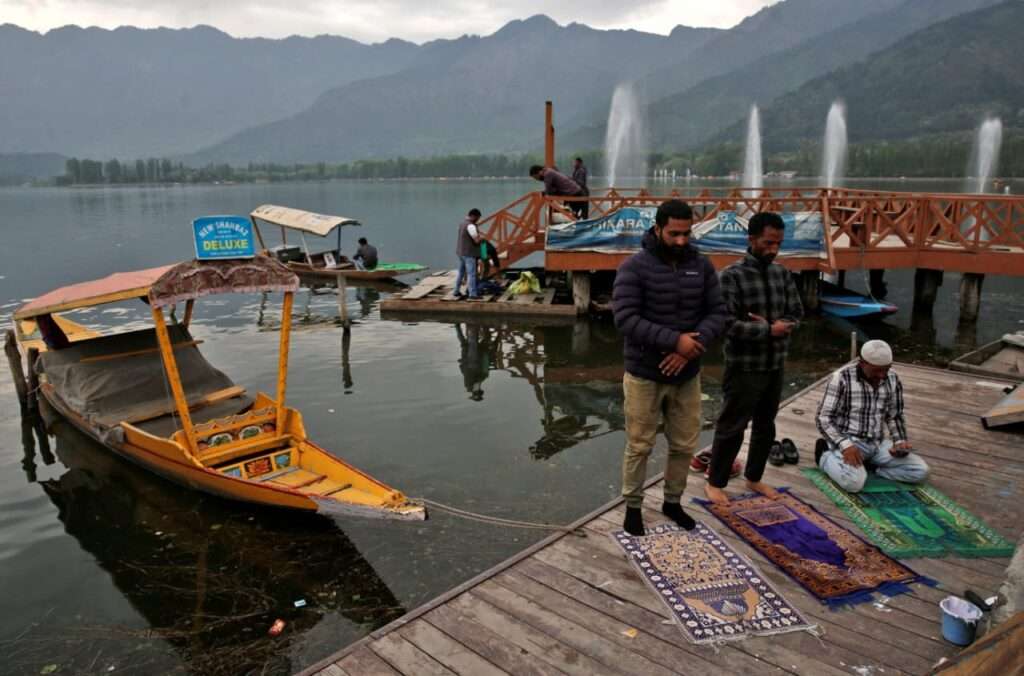
Voices from PoK: Regret and Yearning to Reunite with Kashmir
Amid this contrast, voices from across the Line of Control (LoC) in PoK paint a grim picture. Videos and audio messages circulating on social media capture the frustration of PoK residents who regret their decision to live under Pakistani administration. In one such recording, a person identified as “Ashraf” (name changed) recounts his struggle, sharing that monthly electricity bills in PoK have exceeded 20,000 PKR for a modest one-bedroom flat. He further laments that rental prices have skyrocketed from 5,000 PKR to 25,000 PKR within two years, and his family’s ability to afford basic necessities has been severely compromised.
Ashraf’s message is not isolated; it reflects the despair of many who once crossed over to PoK but now desperately seek a way back to Kashmir, where they believe they will find better living conditions and a stable economy. His appeal underscores a critical aspect of Pakistan’s anti-development agenda: the systemic efforts to keep Kashmir from prospering, even as those under Pakistan’s administration yearn to be part of the economic growth story across the LoC.
The Calculated Attacks on Kashmir’s Economic Backbone
In response to the growing success story in Jammu and Kashmir, Pakistan has intensified its efforts to destabilize the region through violence. These recent attacks are designed not only to instill fear but also to cause maximum economic disruption. Terrorists have targeted areas essential to the local economy, with the specific intent to affect infrastructure projects, tourism, and local employment.
- Targeting Local Workforce in Security and Infrastructure Projects: Pakistan-sponsored terrorists have carried out attacks aimed at local youth working in infrastructure projects and security forces. For the first time in years, many young Kashmiris have found stable employment, and these jobs represent crucial economic support for their families. However, these attacks are intended to sow fear and encourage resignations from the army, police, and development projects, thereby destabilizing sources of income for many Kashmiri households.
- Disrupting Tourism: With tourism emerging as a primary pillar of the Kashmiri economy, the recent attacks have targeted areas frequented by tourists, aiming to deter visitors. The growth in tourism has provided livelihoods for many locals, from hoteliers and guides to artisans selling handicrafts. By disrupting this flow, Pakistan hopes to damage a vital revenue stream for the people of Kashmir.
- Instilling Fear in the Workforce: Attacks have been carried out in a way to maximize fear, with the goal of creating uncertainty among Kashmiri youth who have recently joined Indian security forces and local government positions. Pakistan’s aim is to discourage these individuals from contributing to Kashmir’s stability and prosperity by presenting their positions as unsafe and financially unreliable.
The economic toll of these attacks cannot be understated. Every act of violence represents not only a tragic loss of life but also a setback for Kashmir’s economic growth. Infrastructure projects, such as roads and power plants, which were on the path to completion, now face delays, affecting both short-term job creation and long-term prosperity. Pakistan’s strategy to hinder development is clear: by curtailing Kashmir’s economic prospects, it hopes to breed disillusionment and weaken the positive image that the region has built in recent years.

Furthermore, each attack on the tourism sector affects not only the individuals employed in this industry but also the perception of Kashmir as a peaceful destination. Fear created by these attacks threatens to undo years of work in making Kashmir a global tourism hub.
The Resilience of Kashmiris: A Determination to Build a Better Future
Despite Pakistan’s continued attempts to destabilize the region, the resilience of Kashmiris remains unshaken. In recent years, Kashmiri youth have increasingly recognized the value of economic stability, education, and meaningful employment opportunities. They understand that progress lies in peace, not violence. Today, many young Kashmiris openly express gratitude for the opportunities they have found in India, especially after witnessing the deteriorating conditions in PoK.
This shift in mindset is not lost on Pakistan, which views the steady growth and unity in Jammu and Kashmir as a threat to its own influence over the region. Kashmiri youth are now embracing a future that is bright and within their reach, thanks to India’s developmental initiatives and support.
Pakistan’s Propaganda vs. Reality
Pakistan has long tried to portray the narrative that India does not care about Kashmir and has neglected its development. However, this propaganda loses ground in the face of reality, where Pakistani-sponsored terror continues to be the primary barrier to development in Jammu and Kashmir. While Pakistan claims to support Kashmiris, it is ultimately the Indian government that has consistently provided employment opportunities, invested in infrastructure, and opened doors for Kashmiri youth.
In stark contrast, Pakistan’s own actions expose its hypocrisy. By sponsoring terror attacks that rob Kashmiris of their livelihoods, Pakistan only reinforces its opposition to the prosperity and well-being of the people it claims to support.
The people of Jammu and Kashmir have made it clear that they prefer a future with India. They are committed to building an economically vibrant region that values stability, peace, and growth. Despite Pakistan’s attempts to destabilize Kashmir, the people remain focused on their vision of a prosperous Kashmir, free from fear and violence.
As India continues to invest in Jammu and Kashmir’s development, the region’s youth are increasingly empowered to build careers, contribute to society, and support their families. This is the path that Kashmiris have chosen, and they are determined to protect it against the forces that seek to derail it.
The recent attacks in Kashmir are direct assaults on the region’s economic stability, deliberately targeting the progress that has transformed the region over the past few years. Pakistan’s continued interference only underscores its desperation in the face of a thriving Jammu and Kashmir. However, these attacks, tragic as they are, have not deterred the people of Kashmir from pursuing their dreams of a prosperous and stable future.
Kashmir’s resilience in the face of adversity, coupled with India’s commitment to development, represents the real strength of the region. Pakistan’s attempts to undermine this growth will ultimately fail, as the people of Kashmir continue to build a brighter, more prosperous future for themselves and for generations to come. The commitment to peace and progress is stronger than the forces of disruption, and Kashmir is well on its way to becoming a beacon of hope and stability in the region.