Sheikh Sameer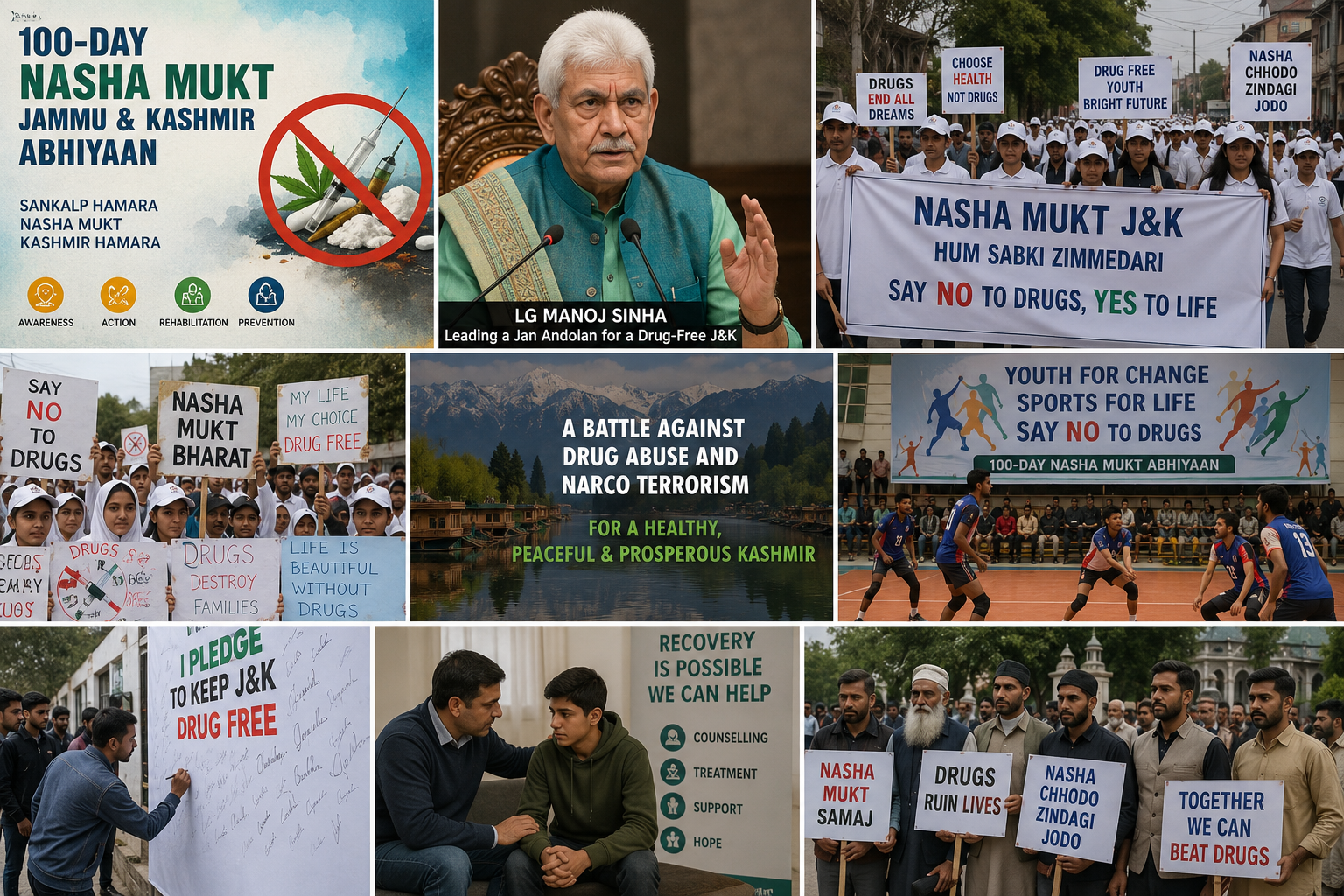
In the history of Jammu & Kashmir’s evolving socio-political landscape, very few public campaigns have attempted to touch society at its roots the way the “100-Day Nasha Mukt Jammu & Kashmir Abhiyaan” has. What initially appeared to many as another administrative anti-drug initiative has gradually transformed into a people-driven movement — a Jan Andolan — against one of the gravest threats confronting Kashmir’s youth today: drug abuse and narco-terrorism.
At the center of this campaign stands Lieutenant Governor Manoj Sinha, whose administration has sought to frame the fight against narcotics not merely as a policing exercise, but as a civilizational struggle to protect Kashmir’s social fabric, collective morality, and future generations.
For years, Kashmir has fought visible battles — militancy, political uncertainty, violence, and instability. But beneath these visible crises, another silent war had begun consuming society from within. Drugs entered homes quietly, destroying dreams, families, and lives without headlines or public noise. Young boys who once aspired to become doctors, engineers, athletes, journalists, and entrepreneurs gradually fell prey to heroin addiction, pharmaceutical abuse, and substance dependency.
The frightening reality is that drug addiction in Kashmir is no longer confined to isolated urban pockets. It has spread across towns, villages, educational institutions, and even remote areas. De-addiction centres across Jammu & Kashmir have repeatedly reported increasing admissions, particularly among young people between the ages of 17 and 30.
According to earlier findings by the Institute of Mental Health and Neurosciences (IMHANS), Srinagar, tens of thousands of youth in Kashmir were estimated to be affected by substance abuse disorders. Health experts have repeatedly expressed concern over the increasing use of heroin, which has emerged as one of the most destructive narcotics in the Valley.
However, the issue extends beyond addiction alone.
Security agencies and law enforcement authorities have consistently warned about the dangerous nexus between narcotics trafficking and terror financing. This is where the concept of narco-terrorism becomes critically important in understanding the administration’s aggressive approach.
Drug smuggling networks operating through cross-border routes and interstate channels are not merely criminal enterprises seeking financial profit. Investigative agencies have repeatedly indicated that proceeds generated through narcotics trafficking can potentially fuel anti-national networks, organized crime, illegal arms supply chains, and destabilizing activities.
In other words, drugs are not only poisoning bodies; they are also threatening the security architecture of the region.
Recognizing this multidimensional threat, LG Manoj Sinha chose to elevate the anti-drug campaign into a mass movement rather than limiting it to police operations and enforcement mechanisms alone.
This strategic shift is perhaps the most defining feature of the “Nasha Mukt Abhiyaan.”
Addressing several public gatherings during the campaign, the Lieutenant Governor repeatedly emphasized that the fight against drugs cannot be won by government institutions alone. Society itself must rise against the menace collectively. His call for transforming the campaign into a “Jan Andolan” reflected an understanding that addiction survives where silence, stigma, and social indifference exist.
And Kashmir responded.
From Srinagar to Baramulla, from Pulwama to Kupwara, educational institutions, youth clubs, sports associations, religious bodies, traders, social organizations, and ordinary citizens began participating in anti-drug rallies, awareness drives, marathons, seminars, and pledge-taking ceremonies. Students carrying banners against drugs became a common sight across districts. In villages and towns, community discussions on addiction — once considered socially uncomfortable — slowly began entering public discourse.
This public participation is not accidental; it reflects a deeper social anxiety regarding the future of Kashmir’s youth.
A teacher from South Kashmir recently shared during an awareness session that one of his former students, once among the brightest in class, eventually became addicted to heroin after falling into the company of local peddlers. “His father sold family property for treatment, but the trauma destroyed the entire household,” the teacher said. Such stories have become painfully common across the Valley.
Parents today fear addiction as much as unemployment or insecurity.
The reason is simple: drugs destroy not only individuals but entire family structures. Financial collapse, emotional trauma, depression, theft, violence, school dropouts, and social isolation often follow addiction. Healthcare experts have repeatedly warned that prolonged substance abuse severely damages mental health, cognitive functioning, and emotional stability.
Recognizing these realities, the administration under Manoj Sinha attempted to broaden the campaign beyond enforcement.
The anti-drug initiative incorporated healthcare, rehabilitation, counselling, sports, youth engagement, and community participation as core pillars. This multidimensional framework distinguishes the present campaign from earlier anti-narcotics drives.
For decades, anti-drug operations largely revolved around arrests and seizures. While such actions remain necessary, global experience has repeatedly shown that addiction cannot be eliminated through punitive approaches alone. Drug dependency is equally a public health and psychological crisis.
The administration’s emphasis on rehabilitation and counselling therefore carries immense significance.
Several de-addiction centres and counselling facilities across Jammu & Kashmir witnessed renewed attention under the campaign. Awareness sessions focusing on mental health, emotional resilience, stress management, and psychological support were organized in schools, colleges, and public institutions.
This reflects a growing recognition that many young people fall into addiction not merely out of criminal intent or curiosity, but due to emotional vulnerabilities, hopelessness, unemployment pressures, social anxiety, and lack of direction.
In conflict-sensitive societies like Kashmir, such vulnerabilities become even more dangerous.
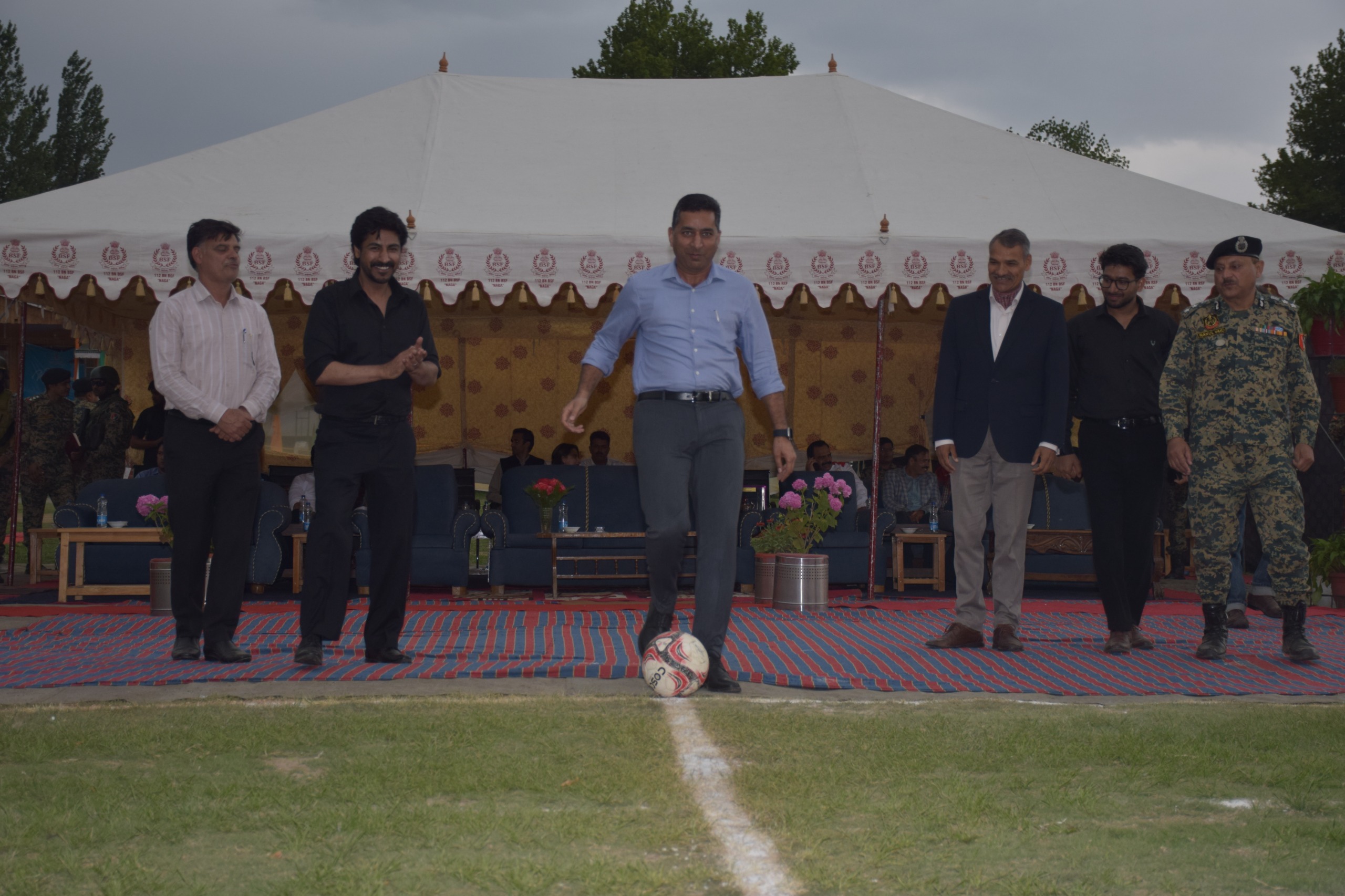
Years of uncertainty and psychological stress have left deep emotional impacts on many sections of society, particularly youth. Addiction often emerges where hopelessness begins. Therefore, the administration’s strategy of combining anti-drug awareness with youth engagement initiatives such as sports tournaments, entrepreneurship programmes, debates, cultural events, and career counselling represents an important confidence-building measure.
At several public interactions, young participants openly stated that the campaign made them feel heard and included rather than judged.
This confidence-building aspect may ultimately become one of the campaign’s most enduring contributions.
A disconnected youth population becomes vulnerable to exploitation — whether through drugs, criminal networks, or radical narratives. By directly involving young people in awareness campaigns and public activities, the administration is attempting to strengthen their emotional connection with society and governance structures.
This is where the campaign assumes importance beyond healthcare and security; it becomes an exercise in narrative transformation.
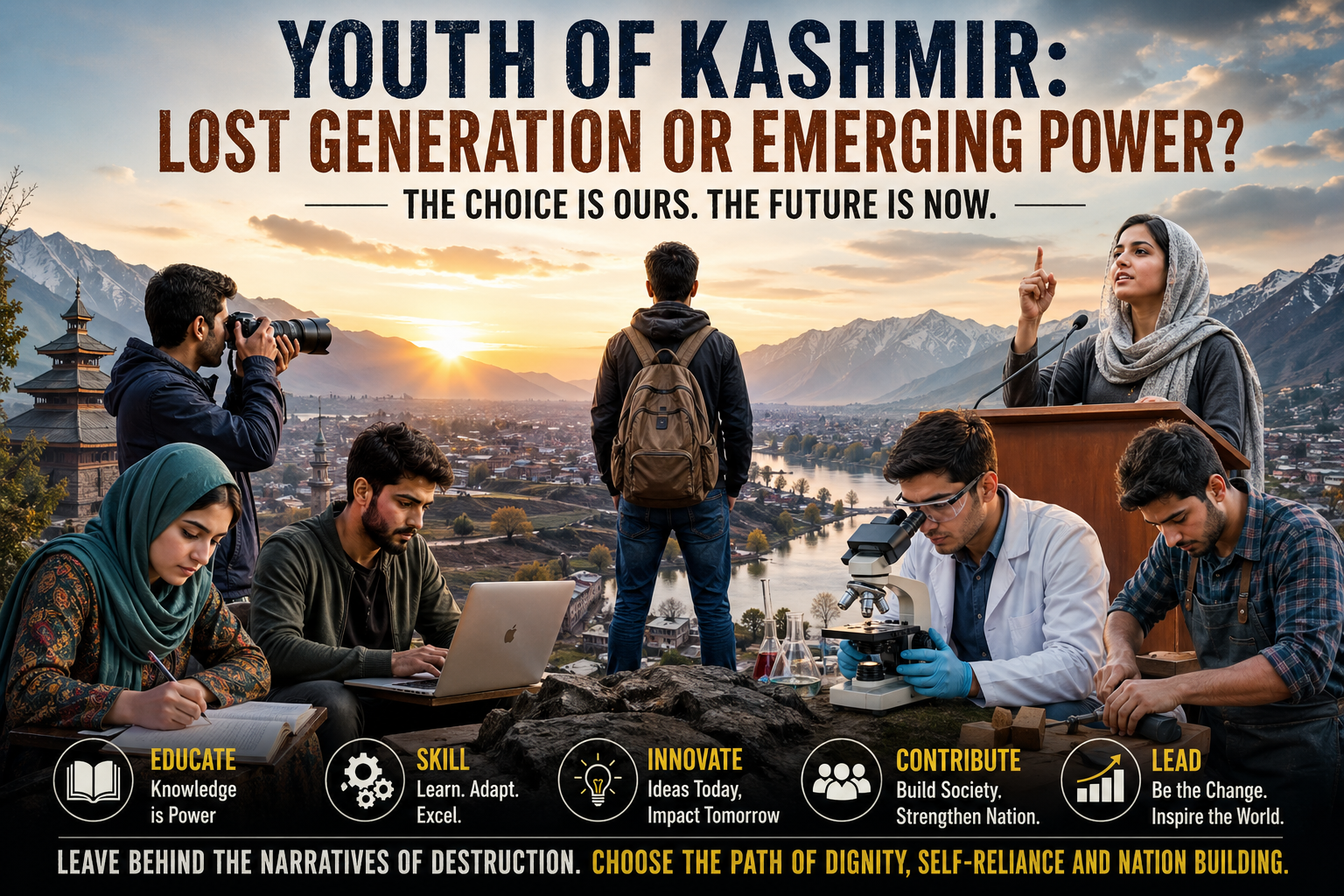
For decades, Kashmir’s dominant narratives often revolved around conflict, instability, violence, and alienation. The “Nasha Mukt Abhiyaan” introduces an alternative discourse — one centered around societal healing, civic participation, public responsibility, and collective resistance against destruction.
Narratives shape psychology.
When society constantly hears narratives of despair, hopelessness gradually normalizes itself. But when communities unite for social causes, when youth lead awareness movements, and when governance structures prioritize human welfare, an alternative social imagination begins to emerge.
The anti-drug movement under LG Manoj Sinha attempts precisely that.
It seeks to redefine Kashmir’s public discourse from victimhood to resilience, from silence to participation, and from social fragmentation to collective action.
Importantly, the campaign has also strengthened institutional outreach in sensitive areas. In conflict-affected societies, trust between people and administrative systems often remains fragile. However, when administrations directly address issues impacting ordinary households — addiction, mental health, youth welfare, rehabilitation — public confidence gradually improves.
This is visible in the increasing participation of common masses in anti-drug initiatives.
Women, particularly mothers, have emerged as powerful voices within the movement. Many openly shared their pain regarding addicted children and appealed for stronger community support systems. Their participation added emotional authenticity to the campaign and helped reduce stigma around rehabilitation.
Religious institutions too played a vital role.
Imams and religious scholars in several districts used Friday sermons to warn against the dangers of narcotics and emphasize moral responsibility toward protecting youth. In Kashmir’s social environment, such interventions carry immense influence because community morality remains deeply connected with religious and social institutions.
Another important aspect of the campaign has been its focus on dismantling the ecosystem supporting narco-networks.
Law enforcement agencies intensified crackdowns against peddlers, trafficking channels, and organized drug networks during the campaign period. Large quantities of narcotics worth crores were seized during various operations across Jammu & Kashmir in recent years. Authorities repeatedly reiterated that targeting the financial structures behind narcotics trade remains critical for long-term success.
This approach reflects an understanding that narco-terrorism cannot be defeated merely by arresting addicts or street-level peddlers. The larger trafficking and funding networks sustaining the ecosystem must be dismantled systematically.
Yet, despite visible momentum, significant challenges remain.
Drug networks are adaptive and often exploit economic vulnerabilities, unemployment, and social frustration. Sustaining the spirit of the Jan Andolan beyond the symbolic 100-day framework will therefore become essential.
Experts believe long-term success requires institutional continuity. Anti-drug education must become part of school curricula. Rehabilitation centres must expand in remote areas. Mental health infrastructure requires urgent strengthening. Employment generation and recreational opportunities for youth must continue growing. Families need awareness training to identify early signs of addiction.
Digital platforms too must become part of the strategy.
Social media increasingly influences youth behavior, perceptions, and lifestyle patterns. Positive storytelling, survivor experiences, awareness campaigns, and youth-led online initiatives can help counter the glamorization of drugs and amplify narratives of recovery and resilience.
Ultimately, the significance of Kashmir’s anti-drug Jan Andolan lies not merely in the number of rallies conducted or narcotics seized. Its deeper importance lies in the message it sends.
The message is that Kashmir refuses to surrender its younger generation to addiction.
The message is that narco-terrorism will be resisted not only through security operations but through social unity and collective awareness.
The message is that governance today must go beyond roads and infrastructure; it must also protect minds, families, and futures.
And perhaps most importantly, the movement reflects an evolving vision of Kashmir where societal healing and public participation become central to stability itself.
The battle against drugs in Kashmir is, in reality, a battle for identity, dignity, and future generations.
It is a battle being fought in classrooms, sports grounds, mosques, counselling centres, homes, and streets alike.
And in this battle, the “Nasha Mukt Jammu & Kashmir Abhiyaan” under LG Manoj Sinha has attempted to convert fear into awareness, silence into participation, and despair into collective resolve.
Whether this Jan Andolan ultimately succeeds will depend not only on government action but on society’s willingness to sustain the movement long after slogans fade away.
Because the future of Kashmir’s youth cannot be protected by institutions alone — it must be protected by an awakened society.


 Sheikh Mudasir