Sheikh Sameer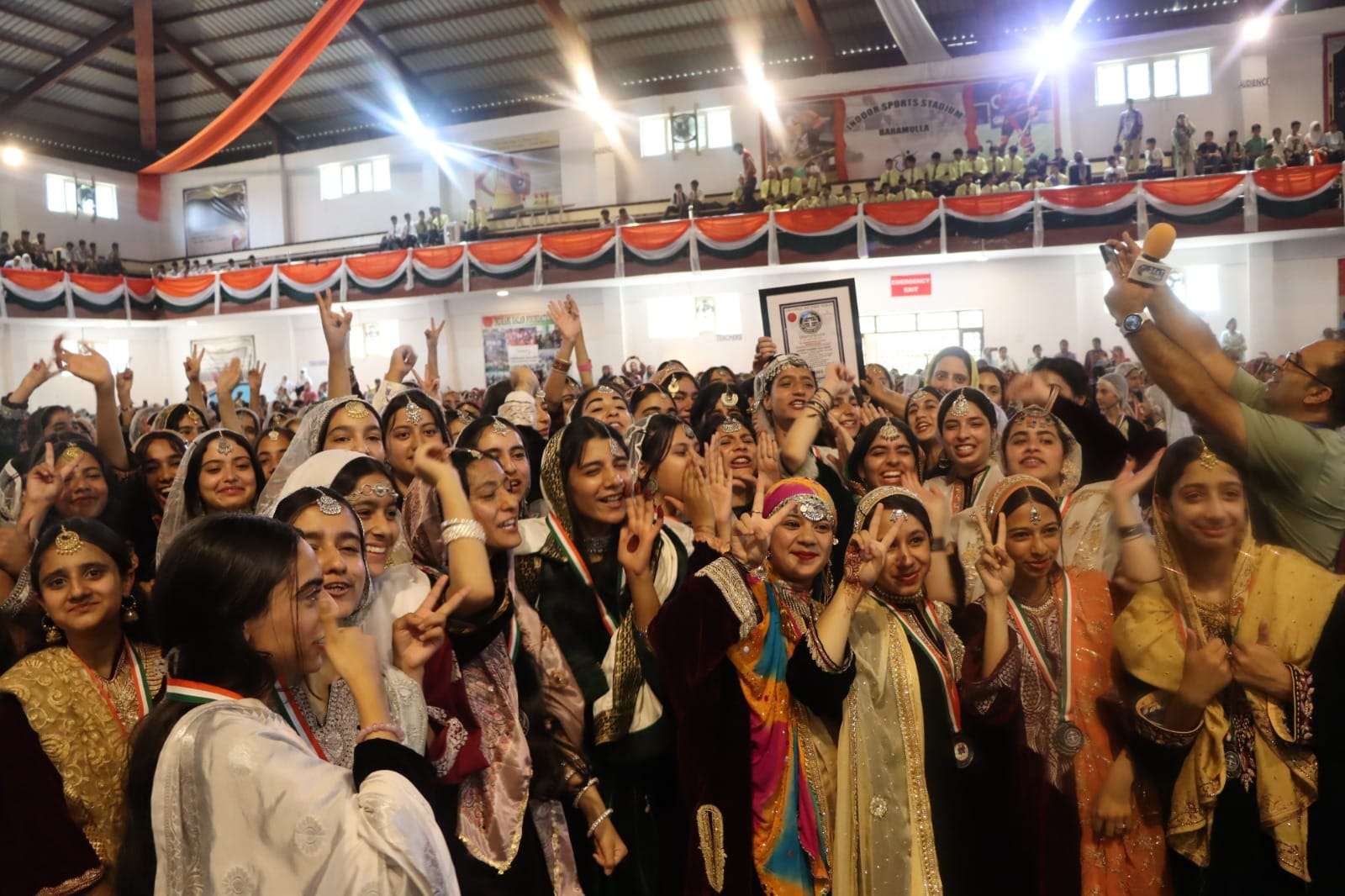
The dawn of August 10, 2024, brought with it a sense of anticipation and excitement that had not been felt in the picturesque town of Baramulla for decades. Nestled in the serene valley of Kashmir, Baramulla was on the cusp of making history. The quiet streets buzzed with energy as thousands of young women prepared to etch their names into the annals of history through an unprecedented cultural event. In a place where the youth had long been stigmatized by stereotypes of radicalism and unrest, this day would mark the beginning of a new narrative—one of pride, unity, and cultural renaissance.
The setting was the Kashur Riwaaj Cultural Fest, a vibrant celebration of Kashmiri traditions, organized by the Dagger Division of the Indian Army’s Chinar Corps in collaboration with the Baramulla District Administration and the Indrani Balan Foundation. The event was designed as a precursor to the 78th Independence Day of India, a day that holds profound significance for every citizen of the nation. But for the youth of Baramulla, this event was more than just a celebration of national pride; it was an opportunity to showcase their cultural heritage to the world, to redefine the image of Kashmiri youth, and to contribute to the preservation of their rich traditions.
A Record-Breaking Performance
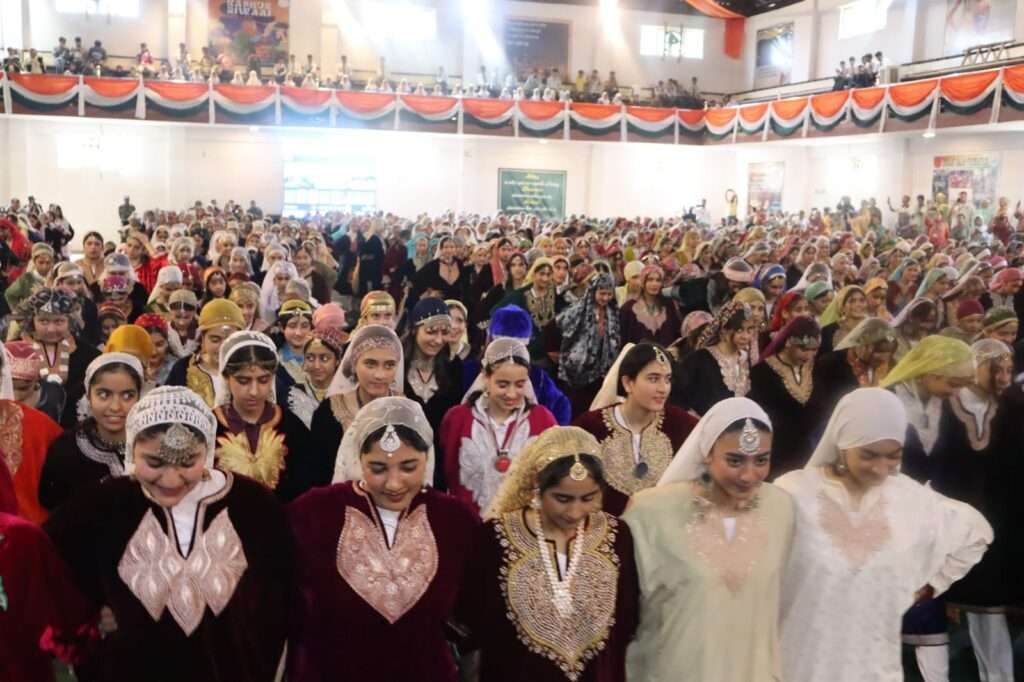
As the sun climbed higher in the sky, the Prof. Showkat Ali Indoor Stadium in Baramulla became a hive of activity. The air was thick with anticipation as 10,000 young women, dressed in traditional Kashmiri attire, assembled on the grounds. The stage was set for the largest Rouf dance ever performed, a traditional folk dance that is synonymous with Kashmiri culture. This was no ordinary performance; it was a world record attempt, and the weight of its significance was felt by every participant.
For almost a month, these young women had been tirelessly rehearsing, perfecting their movements, and synchronizing their steps to ensure that their performance would be flawless. The dance, which is typically performed during festivals and celebrations, involves rhythmic clapping and graceful movements, and is a symbol of joy and unity in Kashmiri culture. Today, it would become a symbol of something even greater—the strength and resilience of Kashmiri youth.
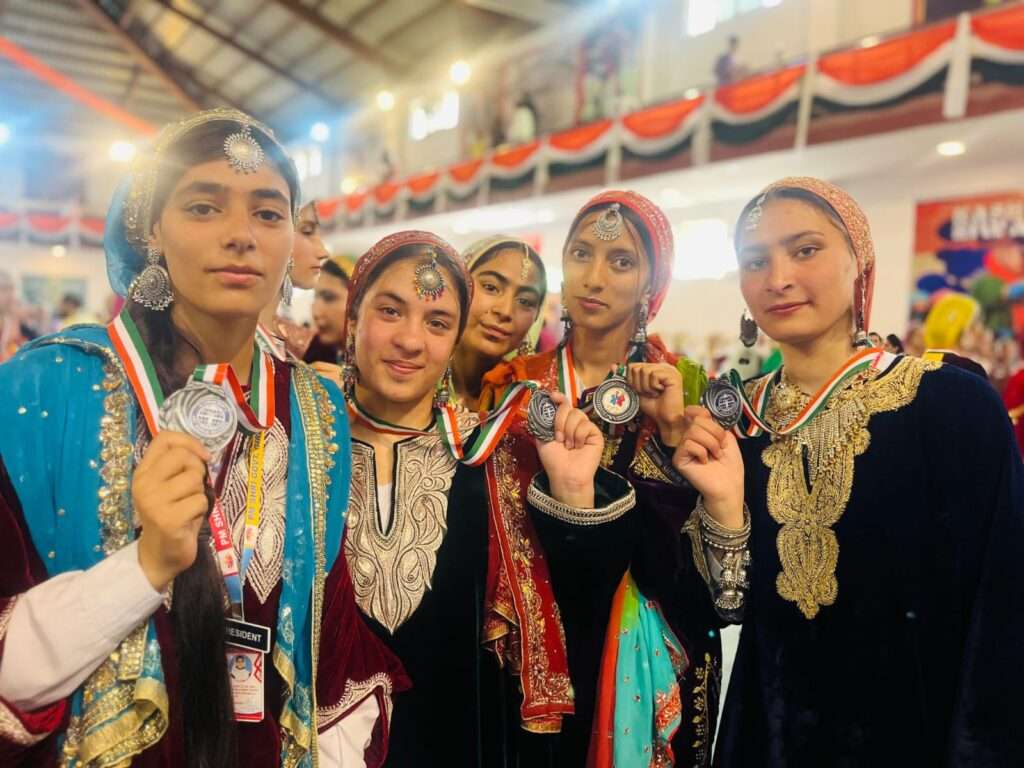
“We have been rehearsing for almost a month. Now we feel all the effort was worth it. This is a great achievement, and we are proud to be part of the world record,” said one of the participants, her face glowing with pride.
As the music began to play, the stadium erupted in a sea of coordinated movement. The sight of 10,000 young women moving in harmony was nothing short of mesmerizing. The Rouf dance, with its intricate patterns and graceful gestures, filled the air with a sense of tradition and cultural pride. The audience, which included dignitaries, local officials, and members of the community, watched in awe as the young women danced their way into history.
The event was adjudicated by the Universal Records Forum (URF), an organization known for its stringent record verification processes. As the final notes of the music faded away, the announcement was made—the world record for the largest Kashmiri folk dance had been set. The crowd erupted into applause, and the young women, now officially world record holders, beamed with pride.
Adding to the grandeur of the occasion, the event was live-broadcasted on Google Meet, allowing 10,000 spectators from across the globe to witness this historic moment in real-time. The digital connection brought together the national and international audience, united in their admiration for the cultural display unfolding in Baramulla. This online presence amplified the impact of the event, showcasing the aspirations and talents of Kashmiri youth on a global platform.
Reviving Cultural Heritage
The significance of this event extended far beyond the setting of a world record. In a region where the youth have often been portrayed as disillusioned, disengaged, and even dangerous, this event was a powerful statement of their true potential. It was a celebration of their heritage, a declaration of their identity, and a demonstration of their ability to come together for a common cause.
Kashmir has long been a melting pot of diverse cultures, languages, and traditions. From its intricate handicrafts and world-renowned Pashmina shawls to its rich culinary traditions and vibrant music, Kashmir’s cultural heritage is unparalleled. However, in recent years, this heritage has been overshadowed by conflict and unrest, leading to a decline in the interest of the younger generation in preserving these traditions.
A local professor, reflecting on the importance of the event, remarked, “Kashmiri culture is a melting pot of diversity, but today’s youth show declining interest because it is not fashionable. The initiative of the army and district authorities has revived interest in our age-old traditions.”
The Kashur Riwaaj Cultural Fest, and particularly the record-breaking Rouf dance, has sparked a renewed interest in Kashmiri traditions among the youth. By participating in this event, these young women not only celebrated their culture but also became ambassadors of it, showcasing to the world the richness of Kashmiri heritage and the importance of preserving it for future generations.
Changing Perceptions
For years, the narrative surrounding Kashmiri youth on national and international platforms has been one of disillusionment and conflict. Stories of stone pelters, terrorists, and separatists have dominated headlines, painting a bleak picture of a generation lost to extremism. However, the record-breaking event in Baramulla has begun to change that narrative.
This event has shown that the youth of Kashmir are not just capable of greatness, but are also deeply connected to their cultural roots. The performance of the Rouf dance by 10,000 young women is a testament to their desire to be seen as more than just the products of a conflict-ridden region. It is a statement of their aspirations, their talents, and their determination to be recognized for the positive contributions they can make to their community, their nation, and the world.
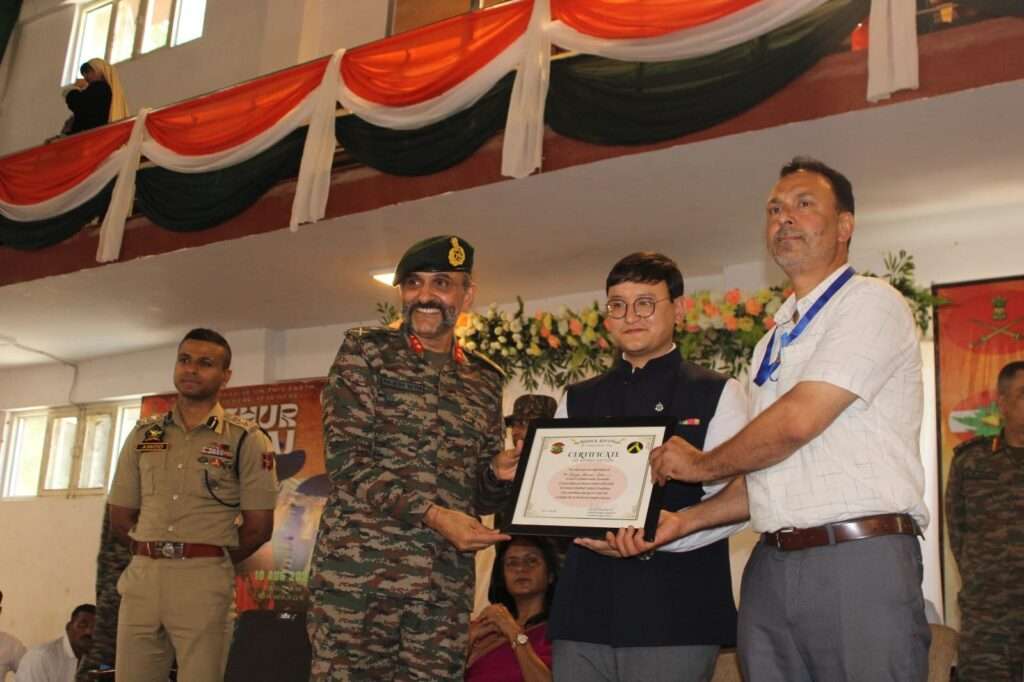
Lt. Gen. Rajiv Ghai, Corps Commander of Chinar Corps, who was the Chief Guest at the event, emphasized the importance of such initiatives in changing perceptions. “This event is a shining example of constructive engagement and cooperation between Civil-Military-Industry and the Youth. It demonstrates the vibrant spirit of our young generation and their dedication to preserving our cultural heritage while embracing a sense of national pride.”
A Showcase of Talent
The Kashur Riwaaj Cultural Fest was not just about the Rouf dance; it was a celebration of all aspects of Kashmiri culture. The festival featured performances by renowned local artists, including a mesmerizing Rubab performance by 13-year-old prodigy Ishfaq Hamid Bhatt, who has been awarded the prestigious Pradhan Mantri Bal Puraskar 2024 for his dedication to preserving Kashmiri musical traditions.
Another highlight of the event was a performance by Mr. Naseer Ahmed Mir, a celebrated Santoor player who has been recognized with a gold medal by the President of India for his outstanding contribution to the art of Santoor playing. His performance, along with that of the young Rubab maestro, captivated the audience and showcased the depth of talent that exists in Kashmir.
The event also featured a performance by the “Strings of Baramulla” band, a group of young musicians from the Chinar YUVA Centre. Their passionate performance was a hit with the audience, and the popular RJs of Radio Baramulla, who served as the Masters of Ceremonies, kept the energy levels high throughout the day.
In addition to the musical performances, the festival also celebrated the art of calligraphy, with a special appearance by Mr. Shafi Mir, a 70-year-old calligraphy expert from Baramulla. His intricate work, created on-the-spot and presented to the Chief Guest, was a testament to the enduring beauty of this ancient art form.
A New Dawn for Kashmiri Youth
The success of the Kashur Riwaaj Cultural Fest, and the world record set by the young women of Baramulla, has set a benchmark for future cultural engagements in the region. It has united the youth of Kashmir in a display of tradition and patriotism, and has shown the world that they are not defined by the challenges they have faced, but by their resilience, creativity, and determination to forge a better future.
As the festival came to a close, there was a palpable sense of pride and accomplishment in the air. The youth of Baramulla had not only made history, but they had also taken the first steps towards reclaiming their narrative. They had shown the world that they are not just the products of a troubled region, but the torchbearers of a rich and vibrant culture.
The record-breaking Rouf dance, performed by 10,000 young women, will be remembered as a turning point in the story of Kashmiri youth. It was a dance of unity, a dance of pride, and a dance that signaled the dawn of a new era for the youth of Kashmir. An era where they are no longer seen through the lens of conflict, but as the custodians of a rich cultural heritage, and as the architects of their own future.
As the sun set over the valley, the young women of Baramulla walked away from the stadium with their heads held high, knowing that they had not only made history but had also redefined what it means to be a young person in Kashmir. They had shown the world that they are more than just the sum of their challenges—they are a generation with the power to shape their destiny, to safeguard their heritage, and to aspire to greatness.


 Rameez Makdoomi
 The Kashmir Dialogues