The Kashmir Dialogues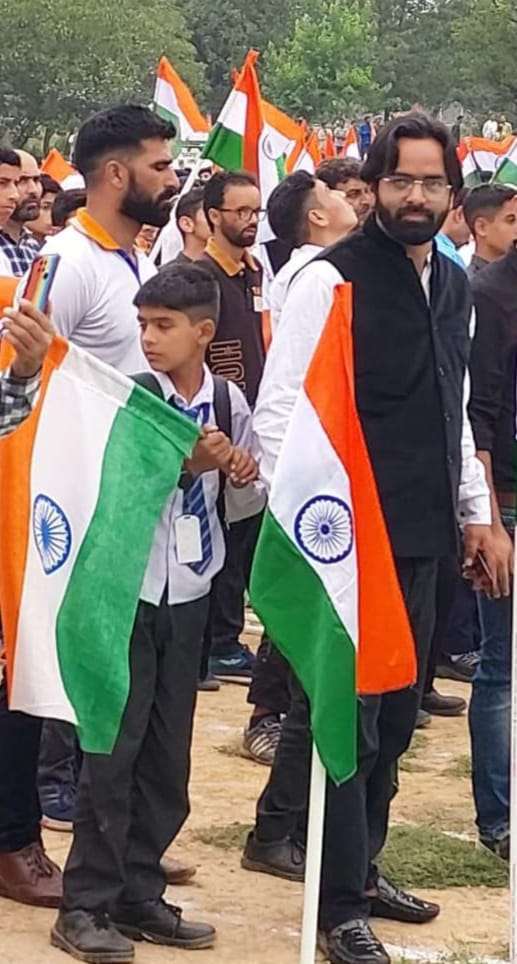
Qaiser Mir
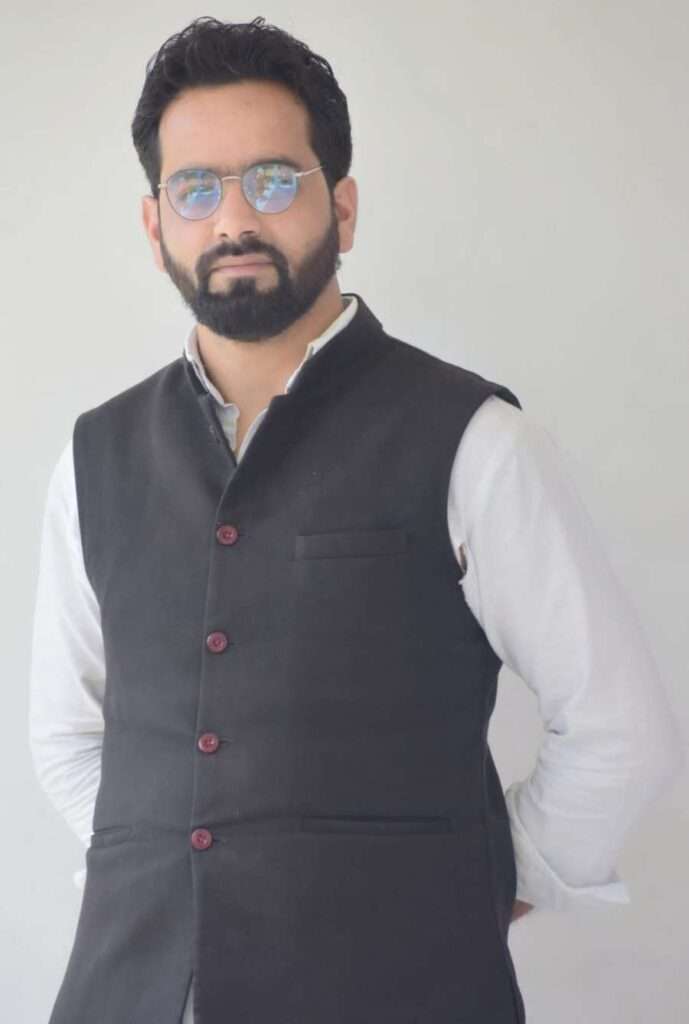
In the heart of Pulwama, a region once synonymous with insurgency and unrest, a quiet revolution is taking place. This transformation is not led by politicians or government initiatives but by a determined young man named Mudasir Dar. His mission? To save the youth of Pulwama from the clutches of drugs and the allure of terror, offering them a new path—one paved with the power of sports.
Pulwama, particularly villages like Lelhara Kakapora, has long been at the epicenter of the conflict in Kashmir. For decades, these areas have been breeding grounds for militancy, with many young boys falling prey to the influence of anti-national elements. The environment of fear and violence that pervaded these regions left little room for hope or opportunity. Funerals of terrorists became a grim routine, and the youth, caught in the crossfire, often saw no way out but to join the ranks of those who fought against the state.
However, Mudasir Dar recognized that beneath the layers of despair and anger, there was untapped potential. He believed that if given the right opportunities, these young individuals could be redirected towards a more constructive and fulfilling future.
Mudasir’s vision was simple yet profound: to use sports as a tool for positive change. He understood that sports could offer a constructive alternative to the negative influences that had long dominated the lives of many young people in Pulwama. By engaging them in activities that promote discipline, teamwork, and national pride, he hoped to steer them away from the paths of drugs and terrorism.
The idea was not just to organize sports events but to create a movement—a movement that would inspire the youth to embrace the idea of India, to take pride in their nation, and to contribute to its progress.
The Lelhara Kakapora Cricket Tournament: A Beacon of Hope
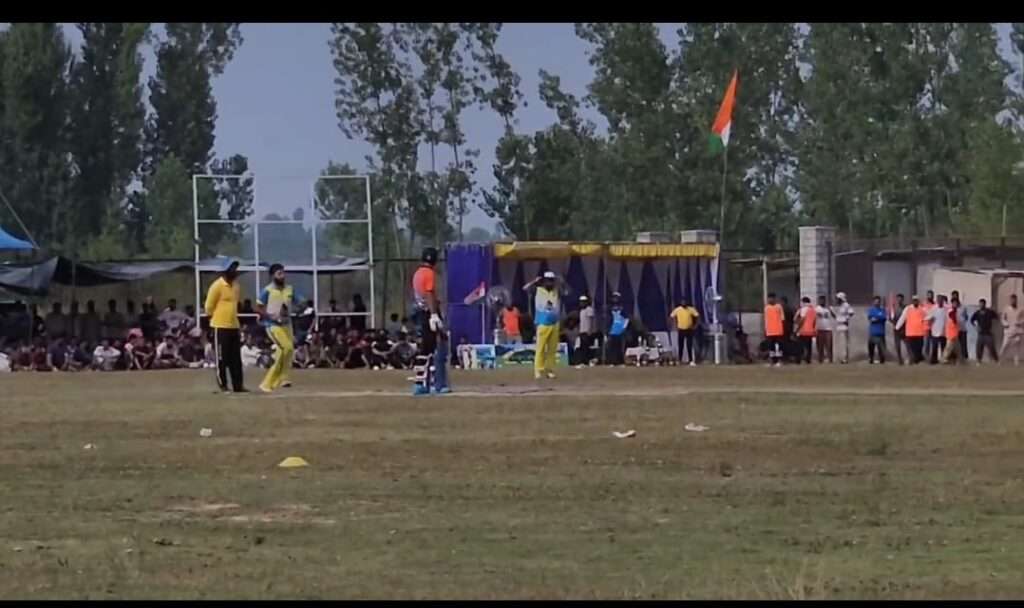
One of the most significant initiatives undertaken by Mudasir Dar was the organization of a cricket tournament in Lelhara Kakapora. This village, once known as a hub of insurgency, had seen countless young lives lost to the conflict. The tournament was not just about cricket; it was about reclaiming a space that had long been associated with violence and turning it into a symbol of hope and unity.
Mudasir knew that the tournament needed to be more than just a series of matches. It had to carry a message—a message of change, of new beginnings. To this end, the tournament was designed to engage the youth of Lelhara Kakapora positively, offering them a platform to showcase their talents and channel their energy in a constructive manner.
But perhaps the most poignant moment of the tournament was the hoisting of the national flag on the very ground where talking about national flag was a sin. This act was more than symbolic; it was a declaration of the community’s commitment to national unity and a testament to the profound shift in mindset that Mudasir had helped to bring about.
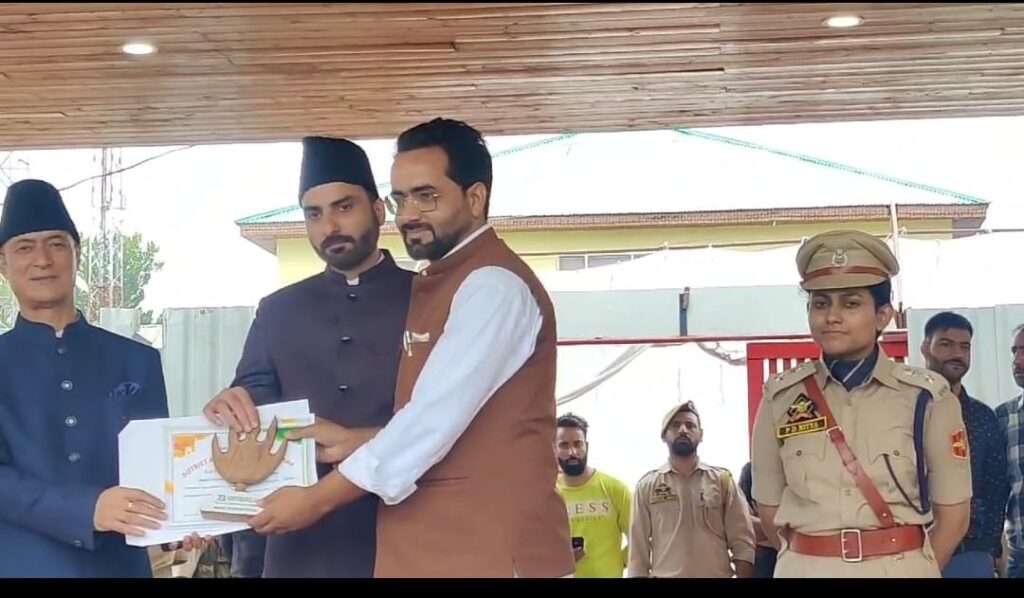
For the first time in the history of Lelhara Kakapora, the administration and the police were not only welcomed into the village but were also garlanded with flowers. This marked a significant departure from the past, where any attempt by officials to visit the area was met with protests. The change in the community’s relationship with the authorities was a clear indication of the desire for peace and progress.
The Mugalpora Volleyball Championship: A New Dawn
Building on the success of the cricket tournament, Mudasir Dar turned his attention to Mugalpora, another village in Pulwama that had been deeply affected by the conflict. Here, he organized the Mugalpora Volleyball Championship, a first-of-its-kind day and night volleyball tournament in the rural areas of Pulwama.
The championship was conceived with a dual purpose: to celebrate the spirit of sportsmanship and to provide the youth with a positive outlet for their energy and talents. Mudasir understood that in a region where the youth often felt isolated and neglected, sports could serve as a powerful means of bringing the community together.
The tournament was more than just a series of volleyball matches. It was an event that brought together thousands of spectators, who gathered to witness the games and to participate in a collective expression of national pride. The hoisting of the national flag and the singing of the national anthem became central elements of the event, reinforcing the message of unity and national identity.
For the young participants, the tournament was an opportunity to not only showcase their skills but also to experience the joy and camaraderie that comes from being part of a team. It was a chance to step away from the negative influences that had long plagued their lives and to embrace a future filled with possibilities.
A Lasting Impact on the Youth
The impact of Mudasir Dar’s initiatives extends far beyond the immediate thrill of the tournaments. By providing the youth of Pulwama with positive alternatives, he has helped to foster a sense of belonging and purpose that many had never experienced before.
For many young people in the region, sports have become a lifeline—a way to escape the pressures of their environment and to focus on something positive. The discipline and teamwork required in sports have taught them valuable life skills, while the sense of achievement that comes from competing and winning has boosted their self-esteem.
Moreover, the tournaments have helped to break down the barriers that once divided the community. By bringing people together in a shared celebration of sports, Mudasir has created a sense of unity and solidarity that had long been missing in Pulwama.
While the success of the sports tournaments organized by Mudasir Dar is undeniable, the road ahead is not without challenges. The region still faces significant obstacles, including ongoing tensions and the pervasive influence of anti-national elements. However, Mudasir remains undeterred. He understands that change does not happen overnight and that the journey towards peace and progress is a long and difficult one.
One of the key challenges is to ensure that the momentum generated by the tournaments is sustained. This requires continued support from the community, as well as from the authorities. Mudasir is keenly aware that for the youth of Pulwama to truly embrace a new future, they need more than just occasional sports events—they need ongoing opportunities for personal and professional development.
To this end, Mudasir is working on expanding his initiatives to include other forms of youth engagement, such as vocational training and educational programs. He believes that by equipping the youth with the skills and knowledge they need to succeed, he can help to build a brighter future for the entire region.
Another challenge is to address the underlying issues that have driven so many young people in Pulwama towards drugs and militancy. Mudasir is working closely with local leaders and organizations to tackle these problems head-on, advocating for better access to education, healthcare, and employment opportunities.
The Role of the Community and the Authorities
The success of Mudasir Dar’s initiatives has not gone unnoticed. The local administration and the police have recognized the positive impact of his work and have expressed their support for his efforts. This collaboration between the community and the authorities is crucial for sustaining the progress that has been made and for ensuring that the youth of Pulwama continue to be steered towards positive alternatives.
Mudasir is also keen to involve the broader community in his initiatives. He believes that the fight against drugs and militancy cannot be won by one person alone—it requires the collective effort of everyone in the community. To this end, he is working to build partnerships with local businesses, educational institutions, and NGOs, all of whom can play a role in providing opportunities and support for the youth.
As Mudasir Dar continues his work in Pulwama, he is not only changing the lives of the youth but also creating a legacy of hope and change for the entire region. His efforts have shown that even in the most challenging of circumstances, positive change is possible.
The transformation of villages like Lelhara Kakapora and Mugalpora from hubs of insurgency to centers of sports and unity is a testament to the power of one person’s vision and determination. Mudasir’s work has provided a blueprint for how communities affected by conflict can begin to heal and rebuild, by focusing on the needs and aspirations of their youth.
In a region where the shadows of the past still loom large, Mudasir Dar has become a beacon of hope. His story is a reminder that change begins with individuals who are willing to step up and take action, even in the face of overwhelming odds. By offering the youth of Pulwama a new path—one filled with opportunities, pride, and unity—Mudasir is helping to build a future where peace and progress are within reach for everyone.
The story of Mudasir Dar and his sports tournaments in Pulwama is not just a story about sports; it is a story about nation-building. It is about using the power of sports to unite people, to instill a sense of pride and purpose, and to offer a positive alternative to the destructive influences that have long plagued the region.
As Mudasir continues his work, he remains committed to his vision of a peaceful and prosperous Pulwama, where the youth are empowered to make positive choices and to contribute to the nation’s progress. His efforts serve as an inspiration to others who are working towards similar goals, both in Kashmir and beyond.
In a world where the challenges of conflict and division often seem insurmountable, the work of individuals like Mudasir Dar offers a glimmer of hope. It shows us that even in the darkest of times, there is always a way forward—and that way often begins with a simple act of courage, a vision of a better future, and the determination to make it a reality.


 Sheikh Sameer

 Rameez Makdoomi